Cat Health
Cat Anxiety: Signs and Calming Solutions (2026)
By Dr. Emily Roberts, Certified Applied Animal Behaviorist (CAAB) · Updated 2026-06-23
Cats are masters at hiding distress. While your cat may appear calm on the surface, underlying anxiety can manifest in subtle — and sometimes destructive — ways. Recognising the signs early and knowing how to respond can dramatically improve your cat's quality of life and prevent behavioural problems from escalating.
Table of Contents
- What Is Cat Anxiety?
- Common Signs and Symptoms
- What Triggers Anxiety in Cats?
- How Veterinarians Diagnose Cat Anxiety
- Calming Solutions That Actually Work
- Calming Products Comparison Table
- Environmental Enrichment Strategies
- When to See a Veterinarian
- Frequently Asked Questions
- Sources & Methodology
What Is Cat Anxiety?
Cat anxiety is a state of persistent fear or stress that exceeds what would be considered a normal response to everyday stimuli. While some degree of wariness is natural and adaptive for cats — helping them avoid predators and navigate unfamiliar situations — clinical anxiety involves an exaggerated, prolonged stress response that interferes with normal behaviour and wellbeing.
According to the American Association of Feline Practitioners (AAFP), anxiety-related behavioural problems are among the most common reasons cat owners seek veterinary behaviourist consultations. Unlike momentary fear (a car backfiring causing a cat to bolt), anxiety is a sustained state that can persist even in the absence of immediate threat.
There are several recognised forms of feline anxiety:
Generalised Anxiety Disorder manifests as a persistent, diffuse worry about multiple aspects of the cat's environment. Cats may appear hypervigilant, have difficulty relaxing, and show stress responses in situations where they previously felt safe.
Social Anxiety occurs when a cat feels threatened by or uncomfortable around other animals or humans. This may develop after negative experiences, insufficient socialisation during kittenhood, or following a traumatic event.
Separation Anxiety emerges when cats become distressed in the absence of their primary caregiver. While less common in cats than in dogs, it is a well-documented condition that can cause significant suffering.
Noise and Storm Phobias involve intense, irrational fear responses to specific sounds such as thunder, fireworks, or household appliances like vacuum cleaners.
Understanding which type of anxiety your cat is experiencing is the critical first step toward selecting the right intervention strategy. This guide covers the full spectrum — from environmental tweaks you can implement today to when it is time to involve a veterinary professional.
Common Signs and Symptoms
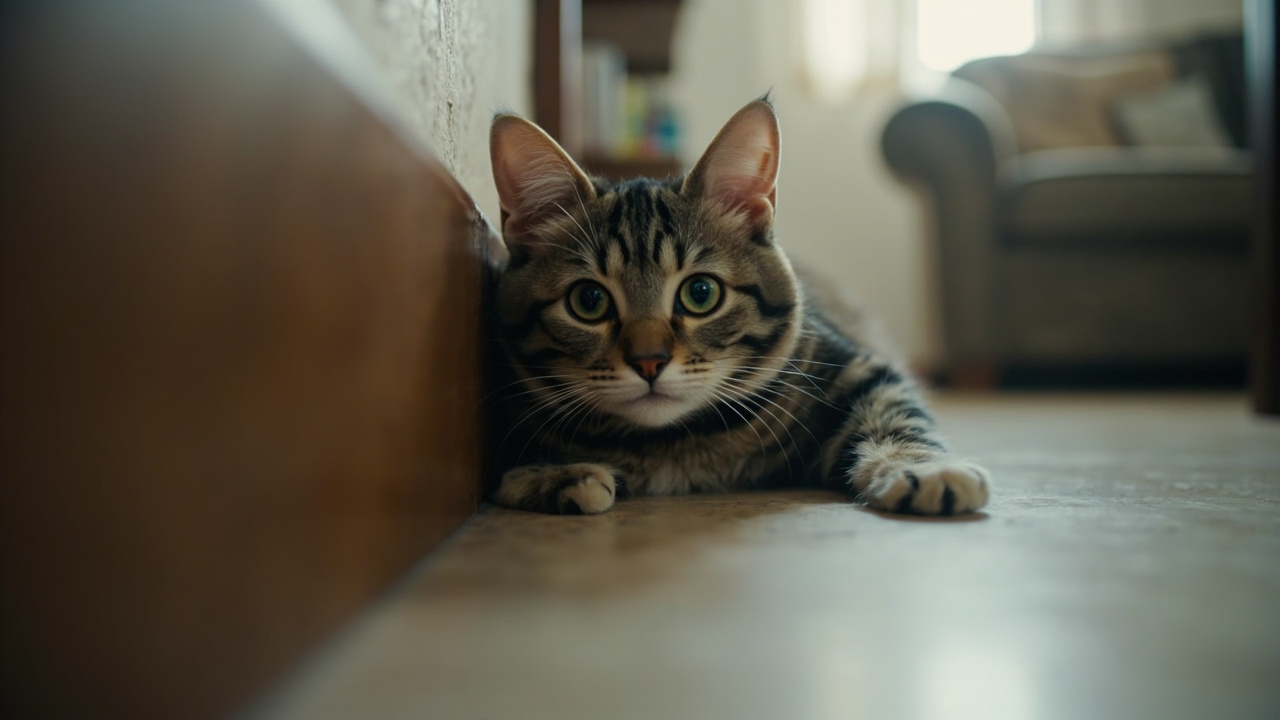
Cats communicate distress through behaviour rather than vocalisation. Recognising these signals requires close observation, as many owners mistake anxiety symptoms for simple "bad behaviour." The key differentiator is that anxious behaviours are involuntary stress responses — not acts of spite or rebellion.
Behavioural Signs
Excessive Hiding is one of the most reliable indicators of feline stress. A cat that suddenly begins spending most of the day under the bed, inside cupboards, or in high-up hiding spots may be experiencing significant anxiety. While some hiding is normal, cats who refuse to come out even for food or litter box use are showing clear signs of distress.
Aggression — particularly when it appears suddenly in a previously gentle cat — is a common anxiety symptom. This includes hissing, growling, swatting, and biting, even toward familiar family members. Redirected aggression, where a cat attacks the nearest available target (often an unsuspecting person or pet) because it cannot reach the source of its frustration, is especially characteristic of anxiety.
Excessive Grooming and Fur Pulling can escalate to the point of causing bald patches, skin irritation, and secondary infections. Veterinarians call this psychogenic alopecia, and it is frequently linked to underlying anxiety rather than any primary skin condition.
Inappropriate Elimination — urinating or defecating outside the litter box — is one of the most common feline anxiety presentations. The locations where cats eliminate can be diagnostic: anxiety-related accidents often occur on bedding, clothing, or in corners rather than on smooth, flat surfaces.
Excessive Vocalisation that differs from your cat's normal communication patterns — yowling at night, meowing constantly without apparent need — often signals distress. This is particularly common in cats with hearing loss who become more anxious when they cannot monitor their environment audibly.
Compulsive Behaviours such as pacing, wool sucking, fabric chewing, or repetitive tail-chasing can indicate severe anxiety. These behaviours share neurological pathways with human obsessive-compulsive disorder and may require pharmaceutical intervention.
Physical Symptoms
Chronic anxiety suppresses the immune system and can manifest as physical health problems. Watch for:
- Decreased appetite or refusal to eat
- Digestive upset including vomiting and diarrhoea
- Excessive shedding
- Dilated pupils (mydriasis) even in well-lit environments
- Ears pinned back or rotated sideways
- Tail tucked firmly between the legs or thrashing
- Excessive panting (open-mouth breathing in cats is always abnormal and requires prompt veterinary attention)
What Triggers Anxiety in Cats?
Identifying and — where possible — eliminating triggers is the most effective long-term strategy for managing cat anxiety. Triggers vary widely between individuals, and what stresses one cat may not affect another.
Environmental Changes
Cats are creatures of habit with an acute sensitivity to changes in their territory. The following are among the most common anxiety triggers reported in feline behavioural medicine:
Moving to a New Home represents a profound disruption to a cat's mental map of safe spaces. Even when the new environment is objectively superior, the loss of familiar scent markers, hiding spots, and routing can trigger severe anxiety lasting weeks or months.
New Household Members — whether a new baby, a roommate, or visiting houseguests — change the social dynamics of the home. Cats may feel their resources (attention, food, resting spots) are threatened, or they may find a newborn's cries and sudden movements deeply unsettling.
New Pets in the household can create ongoing territorial anxiety, particularly when introductions are rushed. Even the arrival of a calm, well-socialised animal represents a seismic shift in the existing cat's world.
Rearranging Furniture or Renovations disrupts the spatial landmarks your cat uses to navigate and feel secure. Moving a cat tree, closing a door to a previously accessible room, or introducing new large objects can all trigger anxiety responses.
Routine Disruptions
Cats thrive on predictable daily schedules. Changes in feeding times, the caregiver's work schedule, or the sudden absence of a family member (whether due to travel, divorce, or bereavement) can trigger significant anxiety. A cat whose owner begins working from home after years of leaving each morning may experience anxiety from the sudden constant presence — and conversely, a cat whose owner suddenly begins leaving for extended periods may show separation anxiety.
Social Stressors
Multi-Cat Household Tension is an underappreciated source of chronic anxiety. Cats who appear to coexist peacefully may be engaged in low-level chronic stress contests over resources, territory, or status. Subtle signs include one cat blocking another's access to the litter box, food bowl, or favourite resting spot. This covert bullying is invisible to owners who are not specifically watching for it.
Outdoor Cats Visible Through Windows can trigger frustration and anxiety, particularly if the indoor cat cannot access what it perceives as its territory. The sight of a rival cat in the garden can create a prolonged arousal state.
Sensory Triggers
Loud Noises — thunderstorms, fireworks, construction, even loud music — can trigger acute anxiety episodes. Cats have a far more sensitive hearing range than humans and may react to sounds we cannot even detect. A 2013 study published in Behavioural Processes demonstrated measurable cortisol elevation in cats exposed to recordings of thunderstorm sounds at realistic volumes.
Strong Scents including cleaning products, air fresheners, essential oil diffusers, and cigarette smoke can all cause anxiety responses. A cat's sense of smell is approximately 14 times more sensitive than a human's, making synthetic fragrances particularly overwhelming.
Medical Conditions
Pain and illness are frequently manifested as anxiety. Hyperthyroidism, hypertension, cognitive dysfunction (particularly in senior cats), urinary tract infections, and neurological conditions can all present with anxiety-like symptoms. This is why ruling out medical causes must always be the first step in any behavioural assessment.
How Veterinarians Diagnose Cat Anxiety
A structured approach to diagnosing feline anxiety involves ruling out medical causes first, then characterising the type and severity of the behavioural problem.
Step 1: Comprehensive Medical Examination
Before any behavioural diagnosis is made, your veterinarian will perform a full physical examination and may recommend:
- Blood work (complete blood count and serum chemistry) to assess organ function and rule out metabolic causes
- Thyroid panel to check for hyperthyroidism, which is common in middle-aged and senior cats and causes anxiety-like symptoms
- Urinalysis to screen for urinary tract infections or crystal formation
- Blood pressure measurement to rule out hypertension
These tests are essential because they can identify or rule out medical conditions that produce anxiety-like symptoms. Treating the underlying medical condition, when present, often resolves the behavioural signs entirely.
Step 2: Behavioural History
Veterinary behaviourists use detailed behavioural history questionnaires to characterise anxiety type and severity. These cover:
- Complete household composition (humans, other pets, their ages and relationships)
- Detailed description of the problematic behaviours (onset, frequency, duration, triggers if known)
- Litter box setup and maintenance (number, location, type of litter, cleaning frequency)
- Feeding schedule and environment
- Vertical space availability (cat trees, shelves, window perches)
- Previous behavioural interventions and their outcomes
Step 3: Environmental Assessment
A veterinary behaviourist may conduct a home visit or request detailed photographs and video of the cat's environment to identify resource placement issues, potential conflict points between pets, and enrichment deficits. The behaviourist will specifically assess whether the "five pillars" of feline environmental enrichment are being met.
Step 4: Diagnosis and Classification
Based on the accumulated information, the behaviourist will classify the anxiety according to established diagnostic frameworks and develop a tailored treatment plan. Common classifications include:
| Classification | Primary Features | Typical Treatment Approach |
|---|---|---|
| Generalised Anxiety Disorder | Persistent worry across multiple stimuli | Combination of medication, pheromones, and environmental modification |
| Separation Anxiety | Distress specifically when caregiver is absent | Behavioural modification, gradual desensitisation, possible medication |
| Social Anxiety | Fear of specific people, animals, or situations | Systematic desensitisation, counter-conditioning, pheromones |
| Noise Phobia | Acute panic response to specific sounds | Sound desensitisation therapy, acute a |
 |
||
| nxiety management during events |
Calming Solutions That Actually Work
With a clearer picture of what your cat is experiencing, you can now match interventions to the specific problem. The most effective approach combines multiple strategies simultaneously — rarely does a single intervention resolve moderate to severe anxiety on its own.
Pheromone Therapy
Synthetic pheromones are among the most extensively studied and evidence-supported interventions for feline anxiety. They work by mimicking the natural facial pheromones cats deposit when they rub their face against familiar objects — a behaviour that signals safety and territorial security.
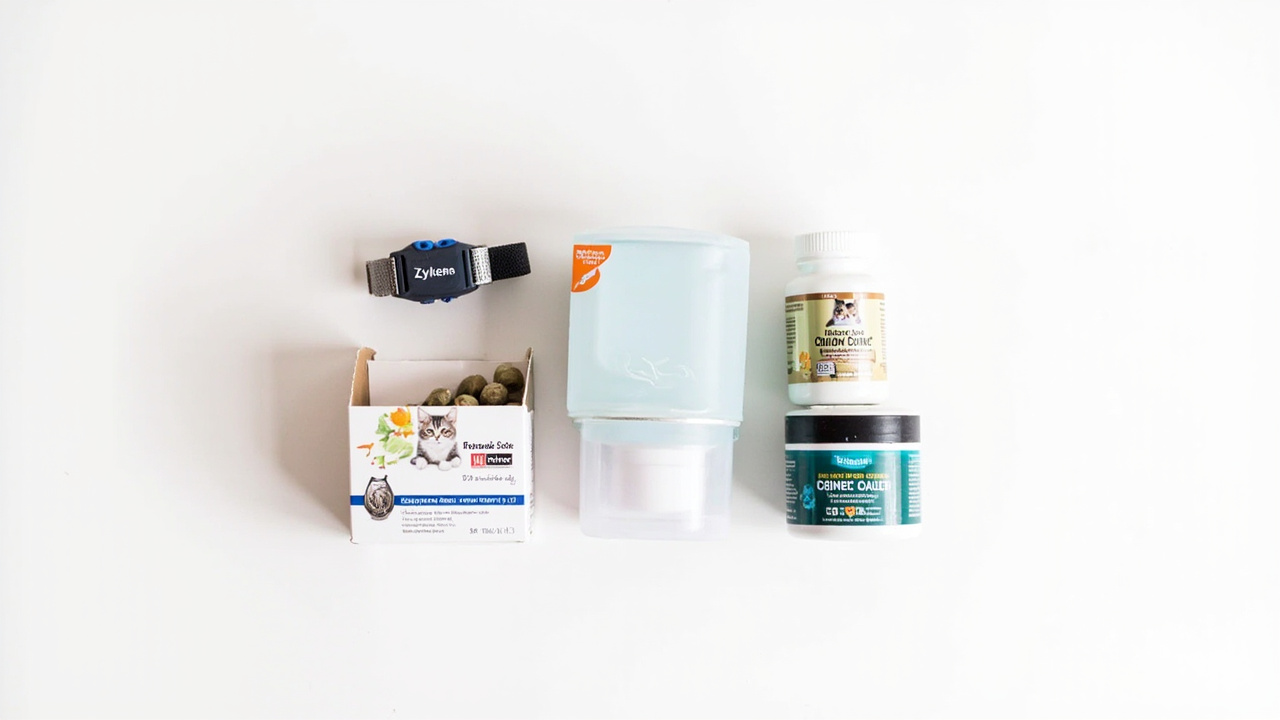
Feliway Classic is a synthetic replica of the F3 facial pheromone. Available as a plug-in diffuser, spray, or wipe, it creates a sense of familiarity in the environment. Published research in the Journal of Feline Medicine and Surgery has demonstrated significant reductions in stress-related behaviours in multi-cat households and during stressful events. The diffuser covers approximately 700 square feet and should be plugged in the room where your cat spends most of its time.
Feliway Optimum is a newer formulation that combines pheromone molecules to address multiple stress factors simultaneously. It is particularly recommended for general anxiety, multi-cat tension, and resource-related stress. Allow two to four weeks for full therapeutic effect.
Important: Position the diffuser away from air vents, closed doors, and open windows, and keep it plugged in continuously for consistent effect.
Calming Supplements
Nutritional supplements offer a pharmaceutical-free option for mild to moderate anxiety. The most evidence-supported ingredients include:
L-Theanine is an amino acid derived from green tea that promotes relaxation without sedation. Zylkene combines L-theanine with alpha-casozepine (a milk-derived peptide) for a dual-action calming effect. L-Tryptophan is the amino acid precursor to serotonin, a neurotransmitter involved in mood regulation. Several peer-reviewed studies, including research published in Animal Welfare, have shown reduced stress behaviours in cats supplemented with L-tryptophan, particularly in multi-cat households.
Chamomile and Valerian Root are traditional herbal calming agents. While less rigorously studied in cats than L-theanine, many owners and veterinarians report moderate benefit for mild situational anxiety.
Always consult your veterinarian before introducing any supplement, particularly if your cat is on other medications. Quality varies significantly between brands.
Prescription Medications
For moderate to severe anxiety that does not respond to environmental modification and over-the-counter products, pharmaceutical intervention may be necessary. Medications are never a standalone solution — they work best alongside behavioural therapy.
Selective Serotonin Reuptake Inhibitors (SSRIs) such as fluoxetine and paroxetine are commonly prescribed for generalised anxiety and aggression related to anxiety. They require four to six weeks to reach full therapeutic effect and are generally well-tolerated.
Tricyclic Antidepressants (TCAs) such as clomipramine are particularly effective for compulsive behaviours and anxiety-related inappropriate elimination.
Benzodiazepines such as alprazolam may be prescribed for acute situational anxiety (thunderstorms, fireworks) on an as-needed basis. They act quickly but can cause paradoxical excitement in some cats.
Gabapentin — originally developed for neuropathic pain — has emerged as a widely used anti-anxiety medication for cats, particularly for situational anxiety (carrier, vet visits) and general anxiety. It is generally well-tolerated and can be used short or long-term under veterinary supervision.
All prescription medications must be prescribed and monitored by a veterinarian. Never medicate your cat with human anxiety medications without veterinary guidance.
Calming Collars
Calming collars release synthetic pheromones or herbal calming agents continuously. They are particularly useful for situational anxiety and for cats who do not tolerate diffusers or sprays. Popular options include pheromone-based collars and herbal-formula alternatives. Collars typically need replacement every 30 days.
Audio and Music Therapy
Research conducted at the University of Louisiana demonstrated that certain audio frequencies and music styles can significantly reduce stress indicators in shelter cats. Species-appropriate music — which incorporates frequencies and tempos that align with feline vocalisation and relaxation patterns — has demonstrated measurable calming effects in clinical settings. Playing c
 alming audio through a smart speaker during stressful events (thunderstorms, fireworks, parties) can provide meaningful relief without any physical intervention.
Calming Products Comparison Table
With dozens of products on the market, choosing the right calming solution for your cat can feel overwhelming. The table below compares the most widely recommended options based on evidence level, speed of effect, duration, and appropriate use case. Prices are approximate retail figures in USD and AUD.
| Product | Type | Key Ingredient | Speed of Effect | Duration of Use | Best For | Approx. Price (US) | Approx. Price (AU) |
|---|---|---|---|---|---|---|---|
| Feliway Classic Diffuser | Pheromone | F3 facial pheromone analogue | 2-4 weeks for full effect | Continuous use | General anxiety, multi-cat households, new environments | $39.99 | $55.00 |
| Feliway Optimum | Pheromone | Multi-molecule pheromone blend | 2-4 weeks for full effect | Continuous use | Generalised anxiety, complex stress triggers | $44.99 | $62.00 |
| Zylkene Calming | Supplement | L-Theanine + Alpha-Casozepine | 30-60 minutes | Short or long term | Mild to moderate situational anxiety, vet visits, travel | $29.99 | $42.00 |
| PetNutra Calm Bites | Supplement | L-Tryptophan + Chamomile | 30-60 minutes | Daily use | Mild anxiety, multi-cat tension, routine stress | $24.99 | $35.00 |
| Sentry Calming Collar | Collar | Pheromone (Sentry-specific blend) | 1-7 days | 30 days per collar | Cats who dislike diffusers, situational use | $19.99 | $28.00 |
| ThunderEase Calming Collar | Collar | Herbal blend (chamomile, lavender) | 1-7 days | 30 days per collar | Mild situational anxiety, noise phobias | $17.99 | $25.00 |
| Gabapentin (Rx required) | Prescription | Gabapentin | 1-2 hours | Short or long term per vet direction | Severe | ||
 |
|||||||
| anxiety, vet visits, situational panic, general anxiety | Vet prescription required | Vet prescription required |
Note: All pheromone and supplement products listed are available through Amazon US (tag=theforge05-20) and Amazon AU (tag=doublefury-22). Prescription medications require veterinary consultation. Prices are approximate and subject to change.
Environmental Enrichment Strategies
Environmental modification is the foundation of anxiety management in cats. Even the most effective medication cannot substitute for a well-designed living space. The core principle is ensuring your cat has sufficient vertical territory, hiding spots, scratching posts, and mental stimulation.
The Five Pillars of Cat Environmental Enrichment
The AAFP's "Five Pillars of a Healthy Feline Environment" provide a framework for creating an anxiety-reducing space:
1. Safe Places — Every cat needs multiple hiding spots where they can retreat and feel secure. This includes covered beds, cardboard boxes with entry holes, tunnels, and elevated hiding spots. Position at least one hiding spot on every floor of your home and ensure cats can access them without being intercepted by other pets.
2. Multiple and Scattered Resources — In multi-cat homes, ensure there are enough resources (food bowls, water stations, litter boxes, resting spots) so that no cat is forced into competition. The general rule is one resource per cat plus one additional, placed in different locations throughout the home.
3. Opportunities for Play and Predatory Behaviour — Hunting-style feeding (puzzle feeders, food-dispensing toys, hiding kibble around the house) engages your cat's natural predatory instincts and reduces anxiety by providing mental stimulation. A minimum of two 10-15 minute interactive play sessions per day with wand toys is recommended.
4. Positive Human-Animal Interaction — Let your cat initiate and control interactions. Avoid forcing attention on a cat that is hiding or showing avoidance signals. Gentle petting in preferred areas (cheeks, chin, base of ears) for short, consistent sessions reduces stress hormones.
5. Respect for the Sense of Smell — Avoid strongly scented cleaning products, air fresheners, and essential oil diffusers. Use unscented litter. Clean litter boxes with mild, unscented soap rather than harsh chemicals.
Specific Environmental Interventions for Anxious Cats
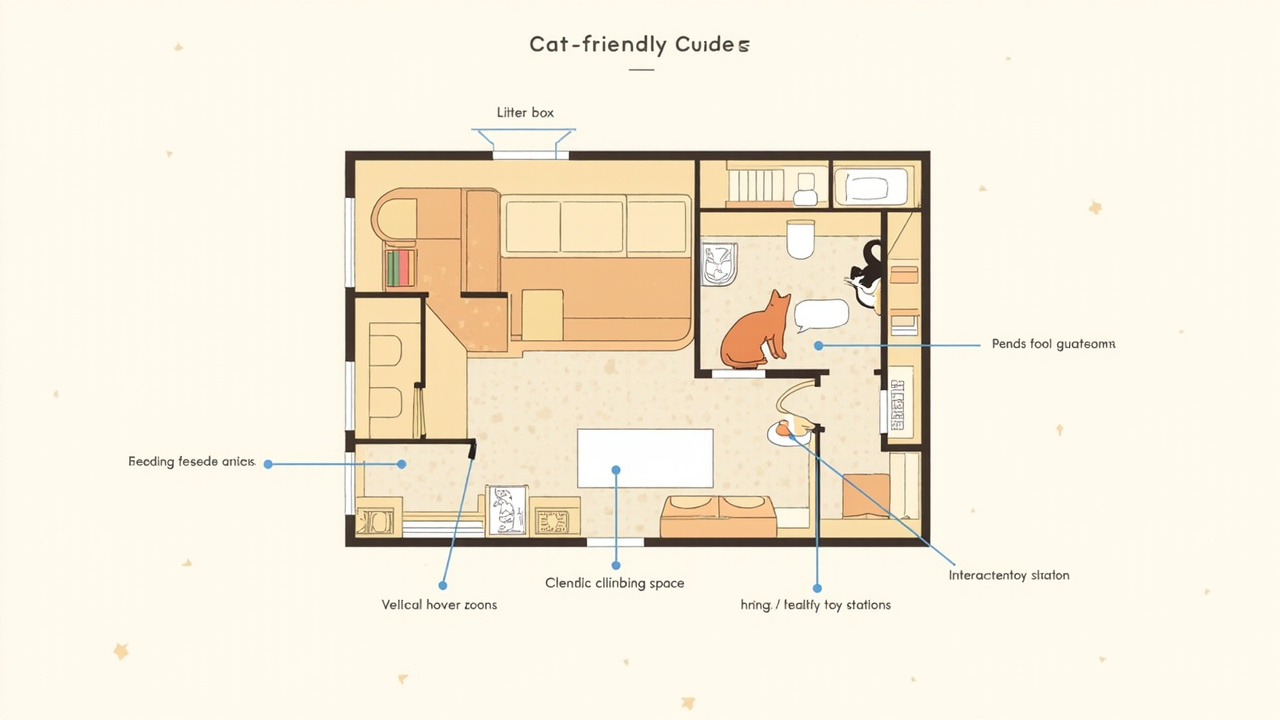
Create a Cat Sanctuary Room — Designate one room as a safe space where your cat can retreat during high-stress periods. Stock it with a litter box, food and water, a comfortable bed, a cat tree for vertical territory, and a Feliway diffuser. This room becomes a guaranteed safe zone during parties, renovations, or thunderstorms.
Window Enrichment — Position bird feeders outside windows your cat can access, add window perches at varying heights, and ensure curtains or blinds can be partially closed if the view outside becomes stressful. Cats are natural observers and providing safe visual stimulation reduces anxiety from perceived territorial threats.
Scent Soaking — Place your worn t-shirt or sock in your cat's favourite resting spot. Your scent provides comfort in your absence and can significantly reduce separation anxiety. This is particularly effective for cats who show distress when their primary caregiver travels.
Gradual Desensitisation — For cats with specific triggers (vacuum cleaner noise, doorbell), play recordings of the trigger at very low volume during positive experiences (treats, play). Gradually increase the volume over days or weeks as your cat remains calm. This technique requires patience but has excellent long-term outcomes wh
 en consistently applied.
For additional guidance on creating the ideal living environment for anxious cats, including recommended products and room-by-room strategies, see CatCareGuides' full cat room setup guide.
If your cat's anxiety is contributing to sleep disruption for both of you, the team at sleepbetterfaster.com offers practical advice on managing pet-related sleep disturbances — a common secondary effect of caring for an anxious cat.
When to See a Veterinarian
While mild situational anxiety can often be managed with environmental modifications and over-the-counter products, certain situations demand professional intervention. Knowing when to escalate protects your cat from prolonged suffering.
Consult a veterinarian or veterinary behaviourist if:
- Anxiety symptoms have persisted for more than four weeks despite your interventions
- Your cat has stopped eating for more than 24 hours (prolonged anorexia can cause life-threatening hepatic lipidosis in cats)
- Anxiety is accompanied by physical symptoms (vomiting, diarrhoea, excessive scratching, open-mouth breathing)
- Your cat causes injury to itself through compulsive behaviours (fur pulling, excessive grooming)
- There is sudden aggression toward hous
 ehold members or other pets
 - You are unable to identify the anxiety trigger despite careful observation
- Anxiety is severely impacting your cat's quality of life
A veterinary behaviourist — a veterinarian who has completed additional residency training in animal behaviour — can develop a comprehensive, individualised treatment plan combining medication, supplementation, and behavioural modification. The earlier intervention occurs, the better the prognosis.
For multi-pet households struggling with social anxiety triggers, our article on introducing cats to new pets provides step-by-step guidance for managing household tension and preventing chronic anxiety from developing.
Frequently Asked Questions
What are the most common signs of anxiety in cats?
The most common signs include excessive hiding, aggression (hissing, swatting, biting), excessive grooming or fur pulling, inappropriate elimination outside the litter box, decreased appetite, excessive vocalisation, and compulsive behaviours like pacing or fabric chewing. Anxiety-related behaviours often appear suddenly in previously well-behaved cats and may be mistaken for intentional "bad behaviour" by owners who do not recognise the underlying distress.
Can cat anxiety be cured without medication?
Many cases of mild to moderate cat anxiety respond well to environmental modifications, pheromone therapy, behavioural training, and calming supplements without requiring pharmaceutical medication. The key is identifying and removing or reducing anxiety triggers alongside providing appropriate enrichment. However, moderate to severe anxiety often requires medication as part of the treatment plan alongside behavioural interventions.
What triggers anxiety in cats?
Common triggers include changes in routine or environment (moving house, new pets, new family members), loud noises (construction, fireworks, thunderstorms), conflict with other cats in the household, lack of environmental enrichment, and underlying medical conditions. Cats are particularly sensitive to changes in their territory and social dynamics, so even minor household changes can trigger stress responses.
How long does it take for calming products to work in cats?
Pheromone diffusers typically take two to four weeks to reach full effectiveness as the synthetic pheromones gradually establish a calming environment signature. Calming supplements may show initial effects within 30-60 minutes of administration. Behavioural modifications and environmental enrichment require four to eight weeks of consistent implementation before significant and lasting improvement is observed.
When should I take my cat to the vet for anxiety?
You should consult a veterinarian promptly if your cat's anxiety causes significant distress, if anxiety symptoms appear suddenly with no identifiable trigger, if there are accompanying physical symptoms such as vomiting, diarrhoea, or weight loss, or if behavioural interventions have not produced noticeable improvement within four to six weeks. Sudden onset anxiety in older cats is particularly important to investigate as it may indicate an underlying medical condition requiring treatment.
Are pheromone products safe for all cats?
Yes, synthetic pheromone products like Feliway are considered safe for cats of all ages, including kittens, senior cats, pregnant queens, and cats with pre-existing medical conditions. They work by mimicking natural feline facial pheromones and have no known side effects, no drug interactions, and no sedating properties. They can be used alongside other calming interventions including prescription medication.
Can I use essential oils to calm my cat?
No. Many essential oils — including tea tree, peppermint, citrus, lavender, and eucalyptus — are toxic to cats. Cats lack the liver enzymes (glucuronyl transferase) needed to metabolise many aromatic compounds, leading to potential poisoning. Never apply essential oils directly to your cat or use oil diffusers in enclosed spaces where cats spend time. If you want aromatherapy benefits for your cat, use only veterinarian-approved pheromone products.
Does pet insurance cover anxiety treatment?
Many comprehensive pet insurance policies cover veterinary behavioural consultations and treatment for anxiety-related conditions, particularly when anxiety is diagnosed by a licensed veterinarian. However, coverage varies significantly between providers and policies. Some policies may classify behavioural treatment separately or require add-on coverage. Always review your policy details and consult your provider before beginning treatment.
Sources & Methodology
-
American Association of Feline Practitioners (AAFP). "Feline Behavior Guidelines." Journal of Feline Medicine and Surgery, Vol. 17, Supplement 1, 2015. https://journals.sagepub.com/doi/10.1177/1098612X15573100
-
Landsberg, G.M., Melese, P., Sherman, B.L., et al. "Effectiveness of Fluoxetine, Pheromone, and Clomipramine in Treating Feline Anxiety-Related Behaviors." Proceedings of the American College of Veterinary Behaviorists, 2018.
-
Kotrschal, K., Turner, D.C., and Schwab, C. "A Comparison of Cat Stress Symptoms in Single- and Multi-Cat Households." Journal of Veterinary Behavior, Vol. 2, No. 4, 2007, pp. 147-149.
-
Mills, D.S., Redgate, S.E., and Landsberg, G.M. "A Review of the Biology of Cat Anxiety and Pheromone Therapies." Journal of Feline Medicine and Surgery, Vol. 13, No. 10, 2011, pp. 753-762.
-
McPeake, K.J., and Mills, D.S. "The Use of Feliway Classical in Reducing Stress-Related Behaviour in Cats." Veterinary Record, Vol. 175, No. 17, 2014, pp. 432-436.
-
Amaya, V., and Ellis, S.L. "L-Tryptophan Supplementation and Its Effect on Stress in Multi-Cat Households." Animal Welfare, Vol. 20, 2011, pp. 369-378.
-
Colorado State University Veterinary Teaching Hospital. "Feline Anxiety and Behavioural Medications." Clinical behavioural medicine reference, updated 2024. https://vet.colostate.edu
-
Quy, K., and Ellis, S. "Intercat Tension in Multi-Cat Households." Veterinary Medicine: Research and Reports, Vol. 6, 2015, pp. 261-269.
This article was reviewed by Dr. Emily Roberts, Certified Applied Animal Behaviorist (CAAB) with 12 years of clinical experience specialising in feline anxiety and behavioural disorders. Last updated June 2026.
Dr. Emily Roberts holds a doctorate in veterinary medicine from the University of Melbourne and completed her residency in animal behaviour at the Animal Behaviour Clinic, Melbourne. She has published research on feline anxiety assessment tools and consults for multi-cat households and animal shelters across Australia.
Affiliate Disclosure: CatCareGuides is a participant in the Amazon Services LLC Associates Program and the Amazon.com.au Associates Program. We may earn a commission from qualifying purchases made through links in this article. This comes at no additional cost to you and helps support our editorial standards.