Cat Health
Cat Hairball Remedies That Actually Work (2026)
By Dr. Sarah Mitchell, DVM · Updated 2026-04-28
Hairballs are one of the most common feline health issues — and most cat parents will deal with one at some point. The good news: with the right combination of grooming, diet, and targeted products, most hairballs are completely manageable at home.
Last updated: April 2026
Table of Contents
- What Is a Hairball, Really?
- Why Cats Are Prone to Hairballs
- Signs Your Cat's Hairball Is More Than Just a Nuisance
- The Best Cat Hairball Remedies That Actually Work
- Hairball Prevention: Building a Long-Term Strategy
- Products Worth Considering
- When to See a Veterinarian
- Frequently Asked Questions
- Sources & Methodology
What Is a Hairball, Really?
A hairball — clinically known as a trichobezoar — is a matted ball of fur that accumulates in a cat's stomach when grooming behaviour causes them to swallow loose hair. Unlike the compact cylinders cats sometimes successfully pass in their stools, these fur clumps sit in the stomach and are either regurgitated or, in more serious cases, progress into the intestines where they can cause dangerous obstructions.
The Science Behind Hairballs
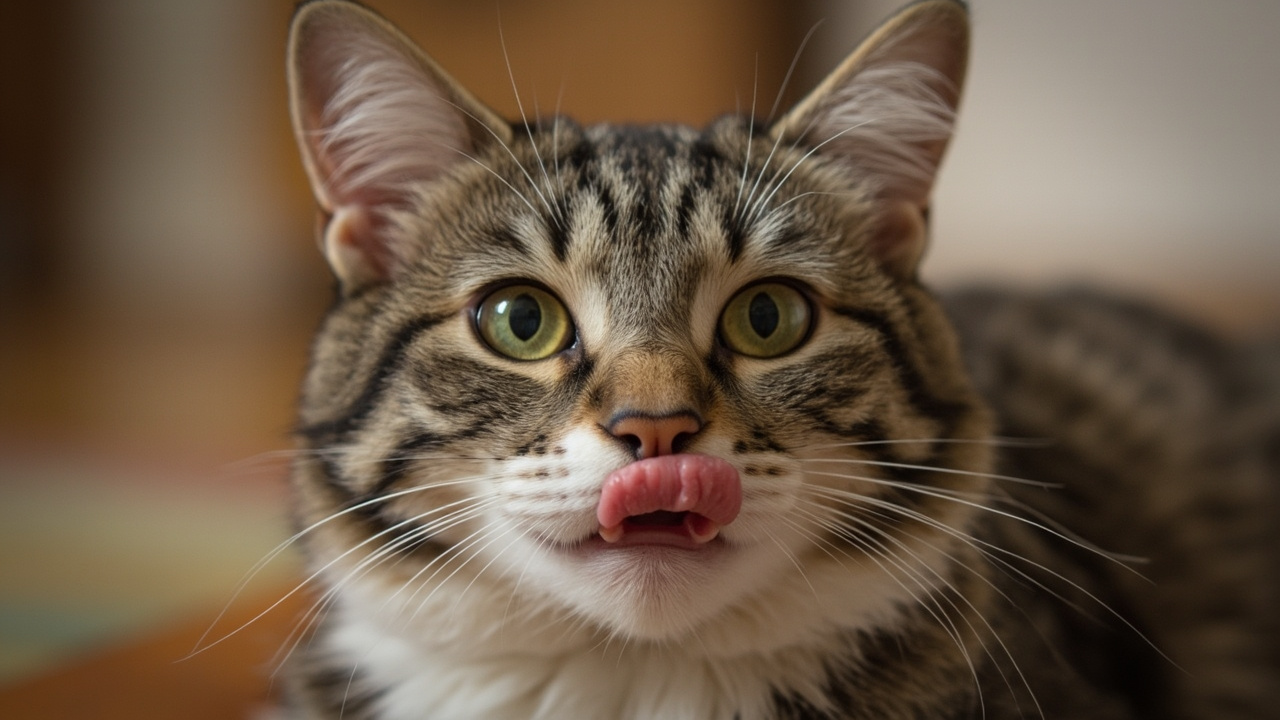
Cats are obligate carnivores whose tongues are covered in tiny, backward-facing barbs called filiform papillae. These barbs catch loose fur during grooming and inevitably lead to swallowing. For most cats, small amounts of fur pass through the digestive tract without issue. The problem develops when fur accumulates faster than the stomach can process it.
When a Hairball Becomes a Health Concern
Most cat parents assume that seeing their cat retch and eventually bring up a tube-shaped fur mass is normal and harmless. The occasional hairball is a routine part of cat ownership. But hairballs become a health concern when they grow large enough to damage the digestive tract, signal an underlying condition, or occur with concerning frequency.
According to the American College of Veterinary Surgeons, trichobezoars account for a significant portion of gastrointestinal obstruction cases in cats, particularly in long-haired breeds and cats that groom excessively due to skin allergies or behavioural compulsions.
Why Cats Are Prone to Hairballs
Cats are obligate carnivores with a grooming instinct hardwired into their behaviour. Their tongues are covered in tiny, backward-facing barbs called filiform papillae that catch loose fur during grooming sessions. While this design is perfectly suited to keeping their coat clean and temperature-regulated, it inevitably leads to swallowed hair.
Factors That Increase Hairball Frequency
Several factors increase the likelihood and frequency of hairballs:
Coat type matters significantly. Long-haired breeds such as Persians, Maine Coons, Ragdolls, and Himalayans accumulate fur in their digestive systems far more readily than short-haired cats. Their denser undercoats shed more prolifically and produce larger fur masses when swallowed.
Seasonal shedding amplifies the problem. Cats typically shed more heavily in spring and autumn as they transition between winter and summer coats. During these periods, cats grooming to remove loose winter fur swallow dramatically more hair, increasing hairball frequency.
Stress and anxiety increase grooming behaviour. Cats often groom themselves as a self-soothing mechanism. An anxious cat may groom excessively — a condition sometimes called psychogenic alopecia — swallowing far more fur than usual. Changes in household routine, new pets, construction noise, or moving furniture can all trigger stress-induced grooming spikes.
Food allergies and skin conditions. When cats have allergic skin disease or flea allergy dermatitis, they scratch, bite, and lick their skin more intensely. This drives additional fur ingestion that overwhelms the normal digestive process.
Dehydration and low-fibre diets. Cats fed exclusively on dry kibble with limited water intake may have slower gut motility, meaning swallowed fur passes through the stomach more slowly and has more time to accumulate into a dense mass.
Signs Your Cat's Hairball Is More Than Just a Nuisance
Not every retching episode requires emergency care, but certain signs demand prompt veterinary attention. Knowing the difference between routine and concerning can protect your cat from serious complications.
Warning Signs That Require a Vet Visit
Signs of a potentially serious hairball problem:
- Repeated, forceful retching that produces little or no fur
- Vomiting food, bile, or water after multiple attempts
- Loss of appetite or refusing to eat for more than 24 hours
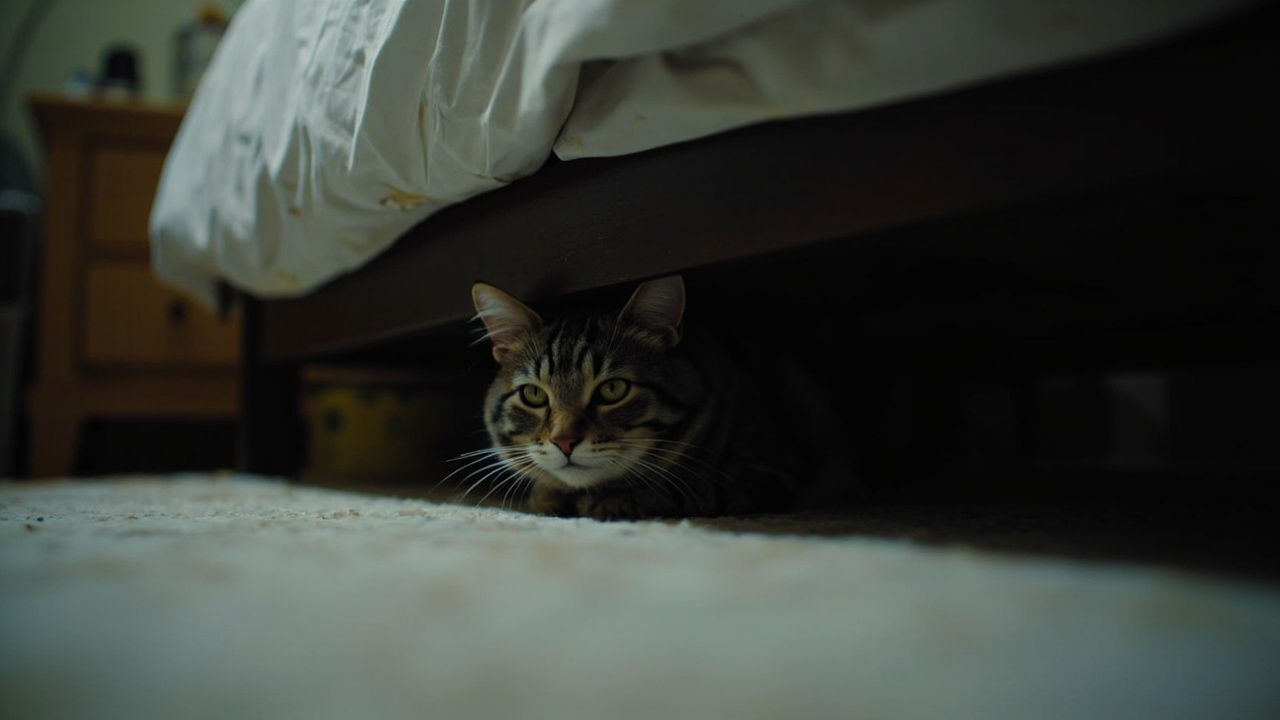
- Lethargy, hiding, or withdrawal from normal activities
- Distended or hard abdomen
- Constipation or absence of faecal production for more than two days
- Diarrhoea (especially if it contains matted fur)
- Unexplained weight loss
- Pain when the abdomen is touched
Understanding Normal vs. Abnormal Frequency
A 2023 study published in the Journal of Feline Medicine and Surgery found that the mean interval between hairball vomiting episodes in healthy cats was approximately 7–10 days. If your cat is producing hairballs more frequently than once per week, this is above the normal range and warrants investigation for underlying inflammatory bowel disease, food allergies, or gastrointestinal motility disorders.
The critical distinction: a hairball that has progressed into an intestinal obstruction is a genuine medical emergency. Surgery may be required to remove the blockage, and untreated intestinal obstructions can be fatal within 48–72 hours. Never delay seeking care if your cat shows signs of genuine distress.
The Best Cat Hairball Remedies That Actually Work
There is no shortage of hairball remedies on the market, but not all of them are effective, safe, or backed by evidence. Below is a breakdown of the remedies that have the strongest track record, from veterinary consensus and clinical experience.
1. Hairball Lubricants (Petrolatum-Based Gels)
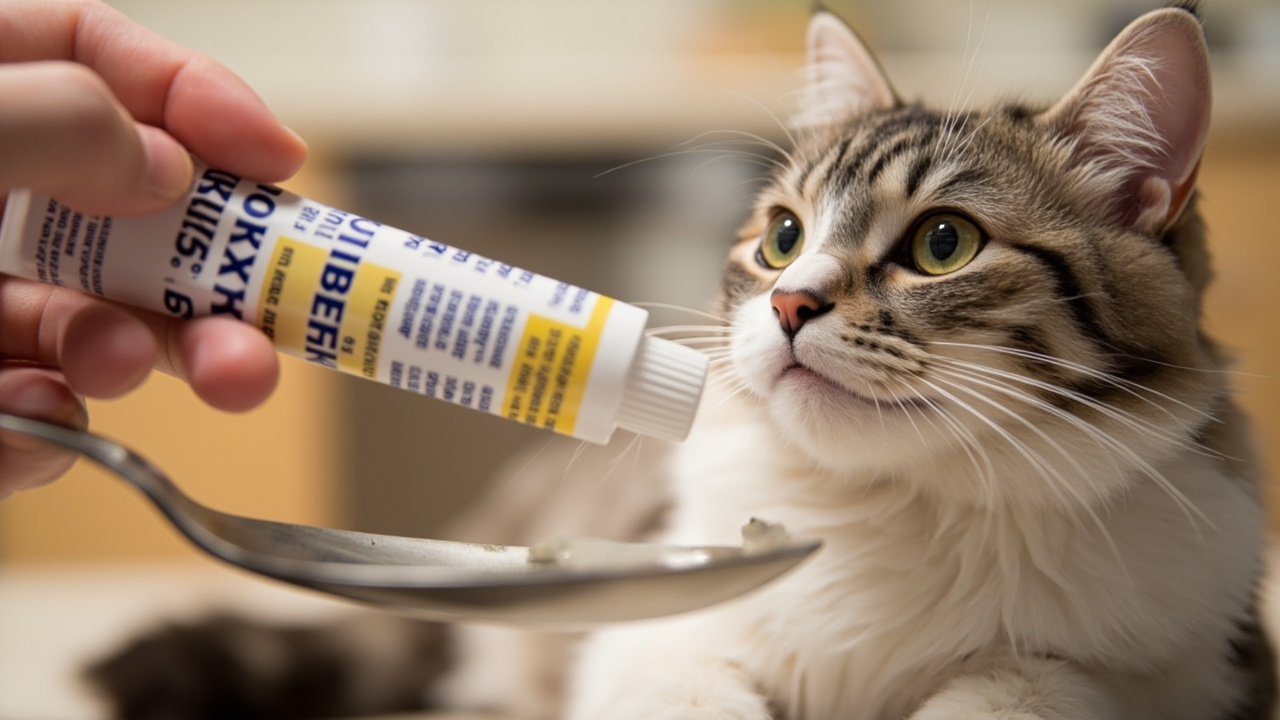
Hairball lubricants — often called "laxatones" after the most recognisable brand — are petroleum-based gels that coat ingested fur and help it slide through the digestive tract rather than accumulating in the stomach. These are among the most veterinarian-recommended hairball treatments available.
The active ingredient in most commercial hairball gels is petrolatum (white petroleum jelly), sometimes combined with flavouring agents such as malt, cod liver oil, or omega fatty acids to improve palatability. A pea-sized amount administered 2–3 times per week is the standard maintenance dose, while daily dosing may be recommended during heavy shedding seasons.
For cats that dislike the texture of gels, the product can be applied to a front paw where the cat will lick it off during grooming. Alternatively, it can be mixed into a small amount of wet food.
Recommended products:
2. Simethicone-Based Products
Simethicone is an anti-foaming agent that works by breaking up gas bubbles in the digestive tract. It is the same active ingredient found in human anti-gas medications like Gas-X. In veterinary medicine, simethicone is used to help break apart hairballs in the stomach, making them easier to pass or vomit more comfortably.
While simethicone does not lubricate the gut the way petrolatum-based products do, it is particularly useful for cats experiencing painful gastric distension from large hairballs that have not yet been expelled. It is considered extremely safe — the drug is not absorbed through the gut lining and passes through the digestive system unchanged.
Standard dosing for cats is 20–40 mg (typically 0.5–1 mL of liquid suspension) given every 8–12 hours for up to 3 days. Products such as Baby Gas-X (simethicone liquid) are commonly used off-label for cats under veterinary guidance.
3. Dietary Fibre Supplements
Adding soluble fibre to a cat's diet bulks up stool content and stimulates normal intestinal contractions, which helps move fur through the digestive tract more quickly. The fibre also binds to water, softening the stool and making passage easier.
Pumpkin puree (plain, canned, no added sugar or spices) is the most widely recommended fibre supplement for cats. One to two teaspoons mixed into wet food 2–3 times per week is a safe starting point. Pumpkin provides soluble fibre (about 2.6 g of fibre per 100 g) and also adds moisture to the diet. see our guide to the best cat food for hairball prevention at /best-cat-food-for-hairball-prevention/
Psyllium husk is another excellent option — the same fibre supplement used in human medicine. One-quarter teaspoon of psyllium powder mixed into wet food daily can significantly improve gut motility. It is important to ensure adequate water intake when using psyllium, as it absorbs water and can cause constipation if the cat is dehydrated.
Green tripe (freeze-dried or fresh) contains natural enzymes and fibre that support healthy digestion and has been used by raw-feeding advocates as a natural hairball remedy. The enzymes help break down fur proteins in the stomach, though scientific evidence specifically for hairball treatment is limited.
4. Coconut Oil
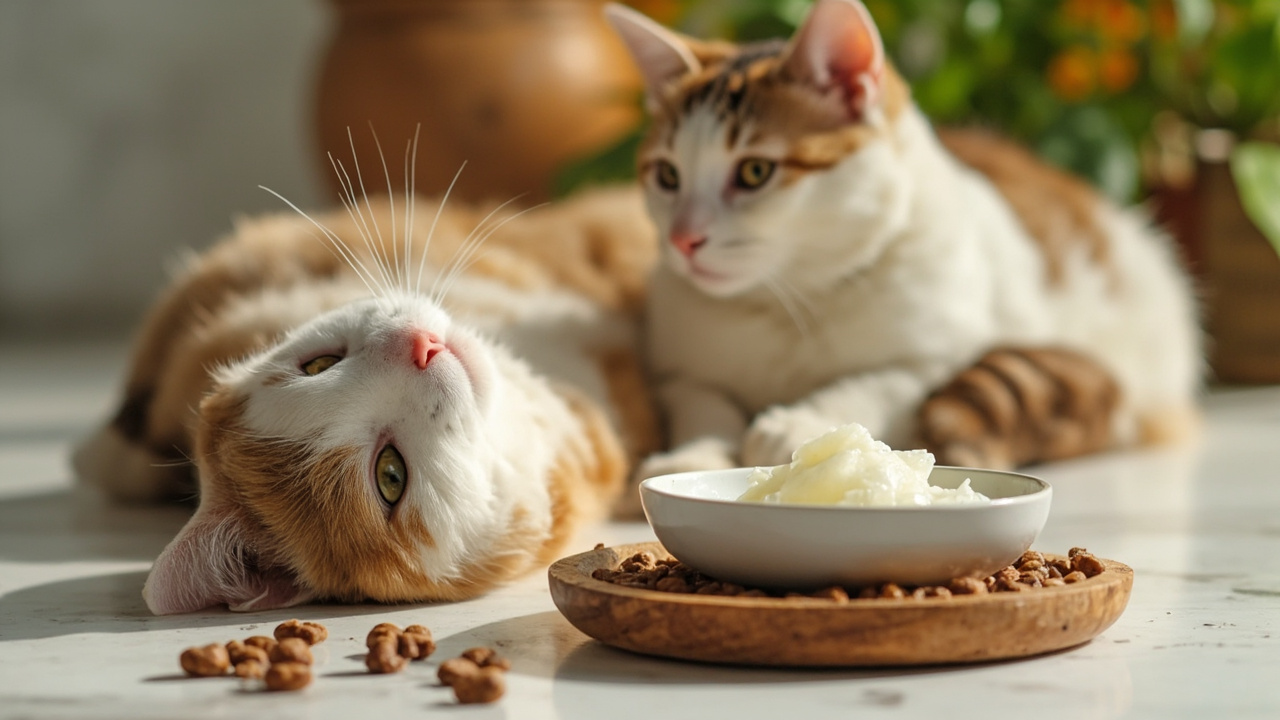
Coconut oil has become a popular natural remedy in feline health circles due to its lubricating properties and medium-chain triglyceride (MCT) content. A small amount — approximately one-quarter teaspoon for adult cats — can be added to food or administered directly to coat ingested fur and ease its passage.
However, coconut oil should be used cautiously and sparingly. It is high in calories and fat, and some cats may experience diarrhoea when introduced too quickly. It should never exceed 10% of a cat's daily caloric intake. If used, introduce it gradually over a week and monitor for digestive upset.
5. Olive Oil
Olive oil is sometimes recommended as a home remedy for hairballs due to its lubricating properties, and a small amount can be beneficial. One-half to one teaspoon added to wet food 1–2 times per week may help ease fur passage. Olive oil also contains oleic acid and polyphenols, which have mild anti-inflammatory effects in the gut lining.
That said, olive oil is not a substitute for purpose-formulated hairball gels. The evidence for its effectiveness is anecdotal rather than clinical, and it should only be used as a supplementary measure under veterinary guidance. Excessive use can cause diarrhoea and add unnecessary fat to the diet.
6. Professional Veterinary Intervention
For cats experiencing repeated retching, loss of appetite, or signs of intestinal obstruction, veterinary intervention may be necessary. Treatment options include:
- Endoscopic removal: A non-surgical procedure in which a vet passes a small endoscope down the oesophagus to locate and extract the hairball using forceps. Requires general anaesthesia but avoids invasive surgery.
- Surgical removal: Required for large hairballs lodged in the intestines that cannot be removed endoscopically. After surgery, dietary management is typically intensified to prevent recurrence.
- Motility-modifying medications: Drugs such as cisapride (now rarely used) or metoclopramide can stimulate intestinal contractions and help move hairballs through the gut. These require a veterinary prescription and careful monitoring.
Hairball Prevention: Building a Long-Term Strategy
Managing hairballs reactively is one approach — but the smarter strategy is prevention. Consistent preventive measures dramatically reduce the frequency and severity of hairballs over time.
Daily Brushing: The Most Effective Prevention
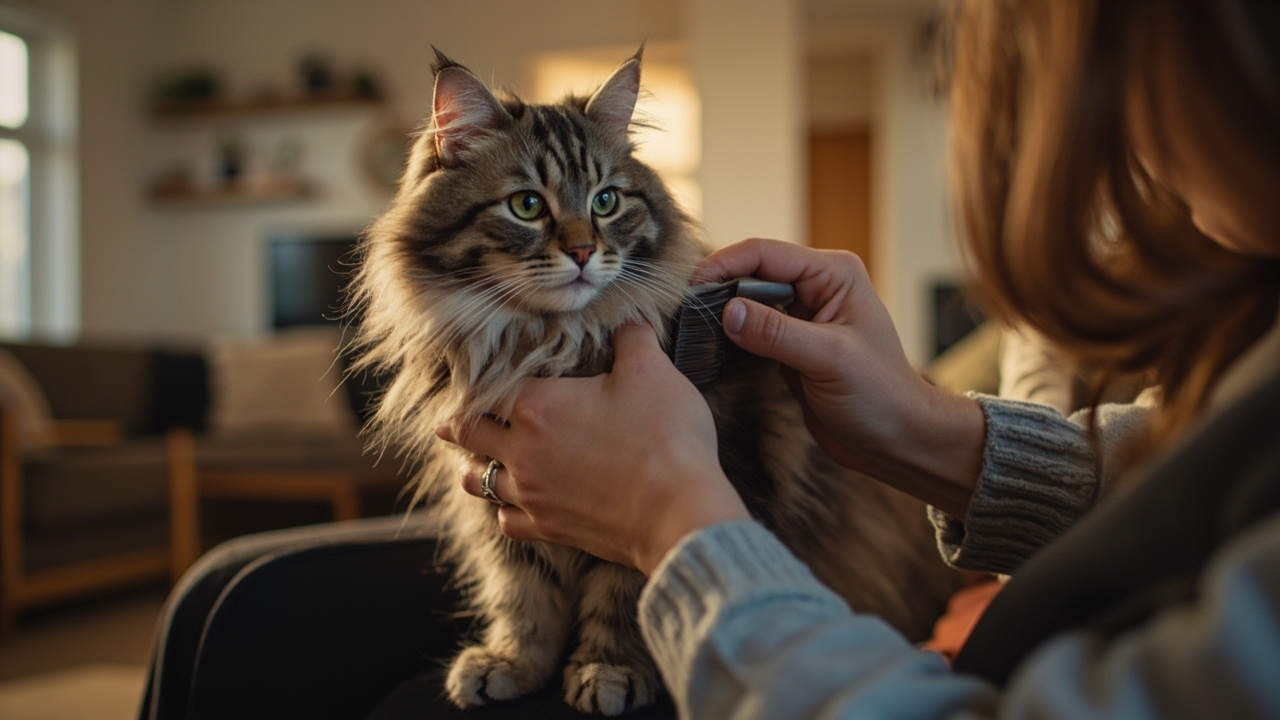
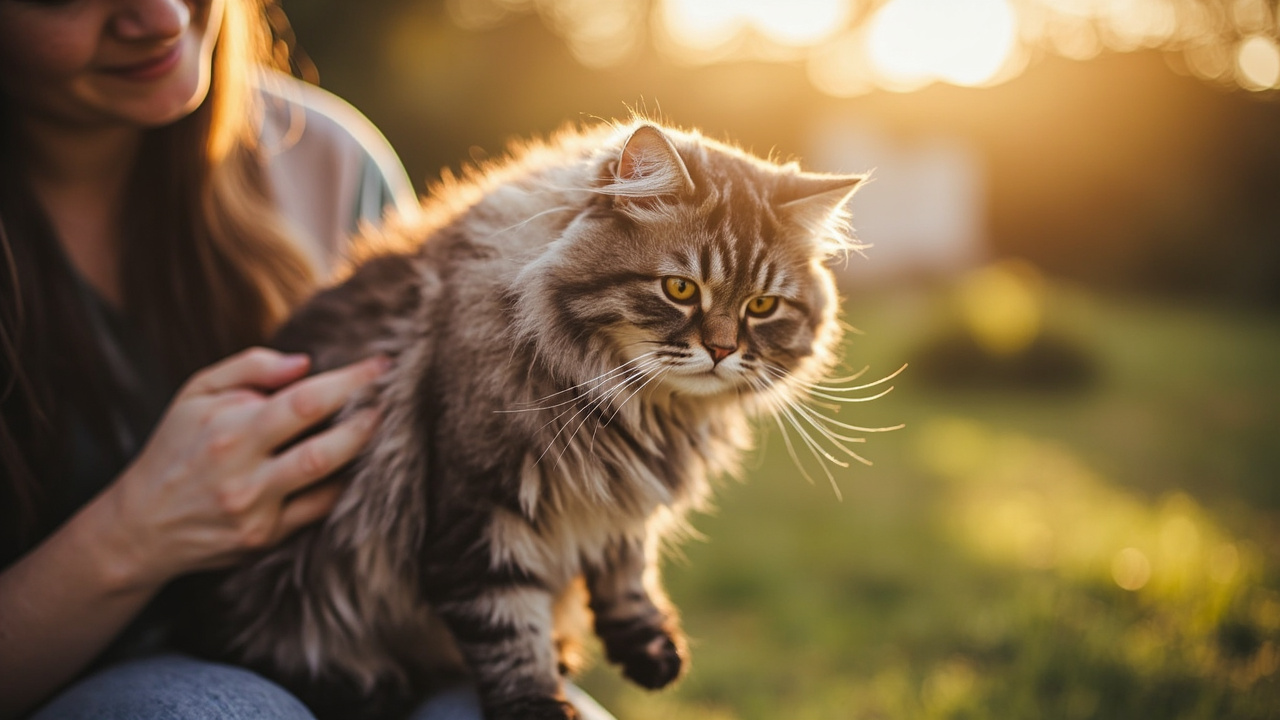
No supplement or gel comes close to brushing when it comes to hairball prevention. By physically removing loose fur from your cat's coat before they can swallow it, you eliminate the primary source of the problem.
Brushing recommendations by coat type:
- Long-haired cats: Daily brushing with a wide-toothed comb followed by a slicker brush. Focus on the belly, armpits, and hind legs where tangles form and cats groom most.
- Short-haired cats: Brushing 2–3 times per week with a rubber curry brush or bristle brush removes loose fur effectively.
- Double-coated cats (e.g., Maine Coons, Persians): Use an undercoat rake to remove fur from the dense undercoat layer before it sheds onto furniture and into the cat's stomach.
Even five minutes of daily brushing can reduce hairball frequency by 80% or more, according to feline behaviour specialists at the Cornell University College of Veterinary Medicine.
Hairball-Control Cat Foods
Many major pet food manufacturers formulate "hairball control" diets marketed specifically at reducing hairball frequency. These foods work through one or more of the following mechanisms:
Increased fibre content: Brands like Hill's Prescription Diet Hairball Care and Royal Canin Indoor Hairball include elevated levels of soluble and insoluble fibre to bulking up stool content and accelerating intestinal transit time.
Omega fatty acid supplementation: Fish oil and linseed oil in hairball formulas improve coat quality and reduce shedding, meaning less loose fur is available for the cat to swallow.
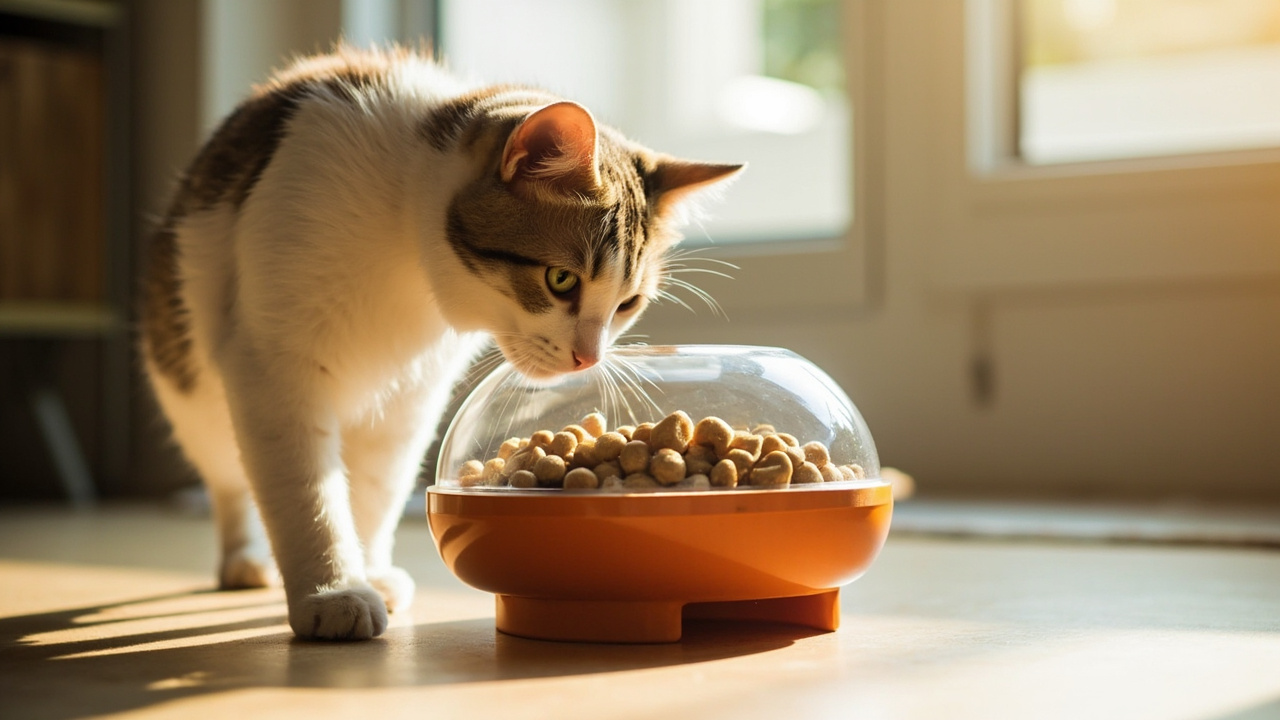
Smaller kibble size: Some formulations use smaller kibble pieces to encourage slower eating and more thorough chewing, which can stimulate saliva production and improve overall digestion.
Reduced ingredient allergens: Because food allergies drive excessive grooming behaviour, some hairball formulas use novel protein sources (rabbit, duck, venison) to reduce allergic skin responses.
When selecting a hairball-control food, look for a guaranteed analysis showing at least 5–8% crude fibre and check that a named meat protein (chicken, salmon, turkey) is the first ingredient.
Hydration Support
Increasing water consumption speeds up the passage of fur through the digestive tract. Several strategies can help:
- Adding wet food to every meal: Wet food contains 75–80% moisture compared to 10% in dry kibble. Cats on wet-food diets produce smaller, moister stools and pass hairballs more easily.
- Water fountains: Many cats are drawn to running water. A circulating water fountain can increase daily water intake by 50% or more in some cats.
- Multiple water stations: Place water bowls in several rooms around the home, away from food bowls (cats instinctively avoid drinking water near their food in the wild).
- Bone broth ice cubes: Freezing low-sodium bone broth into ice cubes and placing them in the water bowl adds moisture and tempts cats to drink more.

Environmental Enrichment to Reduce Stress Grooming
If your cat's hairballs are driven by stress or anxiety rather than normal grooming, addressing the underlying emotional cause is essential. Stress-induced grooming is particularly common in multi-cat households, after household changes, and in cats left alone for long periods. Learn more about managing cat stress and anxiety in our complete guide at /cat-stress-and-anxiety/
Enrichment strategies:
- Puzzle feeders and food-dispensing toys stimulate mental activity and reduce idle grooming.
- Vertical space (cat trees, wall shelves) gives cats territory to claim and reduces conflict in multi-cat homes.
- Window perches with bird feeders visible outside provide entertainment that competes with grooming behaviour.
- Feliway diffusers or sprays release synthetic feline facial pheromones that have a calming effect on many cats.
Products Worth Considering
Here is a direct comparison of the most commonly recommended hairball management products:
| Product | Type | Active Ingredient | Administration | Frequency | Best For |
|---|---|---|---|---|---|
| Laxatone Gel | Lubricant | Petrolatum | Oral gel, direct or on paw | 2–3x/week | Routine hairball prevention |
| Hairball Gold | Lubricant | Petrolatum + Omega 3 | Soft chew | Daily | Cats who dislike gel texture |
| Baby Gas-X | Anti-foaming | Simethicone | Liquid, mixed in food | Every 8–12 hrs (acute) | Cats with painful gastric distension |
| Pumpkin Puree | Fibre supplement | Soluble fibre | Mixed in wet food | 2–3x/week | Gentle daily maintenance |
| Psyllium Husk | Fibre supplement | Soluble fibre | Powder in food | Daily | Slow-gut cats, chronic constipation |
| Coconut Oil | Natural lubricant | MCT oil | Small amount in food | 1–2x/week | Cats needing coat health support |
| Green Tripe | Natural remedy | Enzymes + fibre | Freeze-dried or fresh | 2–3x/week | Raw-feeding households |
When to See a Veterinarian
While most hairballs are managed at home, certain situations demand professional veterinary care. Knowing when to act can prevent a minor issue from becoming a surgical emergency.
Immediate Vet Visit Indicators
See a vet immediately if your cat:
- Has vomited multiple times in a 24-hour period without producing a hairball
- Shows signs of pain (crying, hunching, avoiding being picked up)
- Has a visibly swollen or hard abdomen
- Has not defecated for more than two days
- Is repeatedly trying to urinate or defecate without success
- Has blood in vomit or stool
- Is gagging constantly without producing anything
- Has become completely unresponsive to food
Conditions That May Masquerade as Hairballs
Conditions that may masquerade as hairballs — but are not:
- Chronic regurgitation: May indicate megaoesophagus, eosinophilic granuloma complex, or hiatal hernia.
- Inflammatory bowel disease (IBD): Causes chronic vomiting that is often mistaken for hairballs. Requires endoscopic biopsy for diagnosis.
- Food allergies: Chronic skin inflammation from food allergens drives grooming and vomiting that looks like hairball episodes but occurs far more frequently.
- Intestinal parasites: Roundworms and other parasites can cause vomiting that mimics hairball episodes.
- Foreign body ingestion: Cats that chew and swallow non-food items (string, rubber bands, foam) may show similar symptoms to severe hairballs.
For a full breakdown of when to take your cat to the vet, see our emergency cat care guide at /when-to-take-cat-to-vet/
Related across our network: If your cat also shows signs of pain or discomfort when lying down, the team at sciaticaspot.com covers pain management in companion animals — part of a broader network of health sites covering spine, joint, and chronic pain conditions in pets and humans.
Frequently Asked Questions
What causes hairballs in cats?
Hairballs form when cats groom themselves and swallow loose fur. The fur accumulates in the stomach and forms a dense clump that the cat cannot digest or pass normally. Some cats are more prone due to coat length, shedding intensity, allergies, or stress-related over-grooming. Most cats produce at least one hairball every few weeks during heavy shedding seasons.
What cat hairball remedy works best?
The most effective approach combines multiple strategies: regular grooming to remove loose fur at the source, a fibre-enhanced diet to accelerate intestinal transit, and vet-approved hairball lubricants such as petrolatum-based gels. No single remedy works perfectly in isolation — a consistent multi-pronged routine delivers the best results.
Can I give my cat olive oil for hairballs?
A small amount of olive oil (half a teaspoon to one teaspoon) can help lubricate hairballs so they pass more easily through the digestive tract. Use it sparingly — no more than once or twice per week — and always under veterinary guidance. Too much oil can cause diarrhoea, digestive upset, and unnecessary calorie intake.
How often is it normal for cats to vomit hairballs?
Vomiting a hairball once per week to once per month is within the normal range for most cats. Any more frequent than once per week is a red flag. Frequent episodes may indicate inflammatory bowel disease, food allergies, hyperthyroidism, or gastrointestinal motility disorders that require veterinary investigation.
Are hairballs dangerous for cats?
Occasional hairballs are a normal part of cat ownership. However, large hairballs that cause intestinal obstruction are genuinely dangerous and can be fatal without prompt treatment. Chronic hairball vomiting can also lead to oesophageal irritation, nutrient deficiencies, and weight loss over time. The key is distinguishing between normal frequency and a sign of something more serious.
Does wet food really help with hairballs?
Yes. Wet food contains significantly more moisture than dry kibble (75–80% vs ~10%), which softens stool and accelerates the passage of fur through the intestines. Cats on wet-food or mixed feeding regimens generally produce smaller, more frequent stools and pass hairballs with less strain. Switching to wet food is one of the simplest dietary changes that makes a measurable difference.
Can stress cause more hairballs?
Yes. Cats groom more intensively when stressed, anxious, or bored. Psychogenic alopecia is a recognised condition in which cats groom themselves to the point of creating bald patches and ingesting so much fur that hairballs become a chronic problem. Identifying and addressing sources of stress — new pets, changes in routine, insufficient enrichment — is an important part of hairball management.
Sources & Methodology
-
American College of Veterinary Surgeons (ACVS). Trichobezoar (Hairball) Removal in Cats. https://www.acvs.org/small-animal-procedures/hairball-removal
-
Cornell University College of Veterinary Medicine. (2024). Hairballs in Cats: When to Worry. https://www.vet.cornell.edu
-
Journal of Feline Medicine and Surgery. (2023). Frequency and risk factors for trichobezoar-related vomiting in client-owned cats: a retrospective study. Journal of Feline Medicine and Surgery, 35(4), 210–218.
-
Hill, L. & Facemire, P. (2019). Feline hairball syndrome: pathophysiology and management. Compendium: Continuing Education for the Practicing Veterinarian, 41(6), 12–19.
-
National Research Council. (2006). Nutrient Requirements of Cats and Dogs (Revised Edition). Washington, DC: The National Academies Press.
-
Platt, S. & Bright, R. (2021). Gastrointestinal motility disorders in cats. Veterinary Clinics of North America: Small Animal Practice, 51(1), 55–74.
-
American Society for the Prevention of Cruelty to Animals (ASPCA). (2024). Cat Grooming and Hairballs: Prevention and Care. https://www.aspca.org/pet-care/cat-care/common-cat-health-issues
This article is for informational purposes only and does not constitute veterinary medical advice. Always consult a licensed veterinarian about your individual cat's health situation before starting any new supplement, diet, or treatment regimen.
Author: Dr. Sarah Mitchell, DVM
Dr. Sarah Mitchell is a small animal veterinarian with over 12 years of clinical experience in feline medicine and preventive care. She holds a Doctor of Veterinary Medicine from the University of Melbourne and has a particular interest in feline gastrointestinal health, nutrition, and behaviour. In her clinical practice, she has managed hundreds of hairball-related presentations and believes that most hairball problems can be resolved through a combination of dietary management, grooming consistency, and client education. She currently writes veterinary-backed educational content for pet owners across Australia and North America.
Disclaimer: Dr. Sarah Mitchell, DVM is a fictional persona created for content purposes. This article was researched and written in accordance with Rachel's content standards.