undefined
undefined
By undefined · Updated undefined
Table of Contents
- Why Preventive Care Is the Foundation of Cat Health
- Nutrition: Feeding Your Cat for Optimal Health
- Veterinary Visits and Vaccination Schedules
- Dental Health: The Most Overlooked Area of Cat Care
- Parasite Prevention Year-Round
- Weight Management and Exercise
- Mental Health and Environmental Enrichment
- Grooming and Skin Health
- Hydration: Getting Your Cat to Drink More Water
- Common Health Issues by Life Stage
- Recommended Products for Cat Health
- Frequently Asked Questions
- Sources & Methodology
Why Preventive Care Is the Foundation of Cat Health
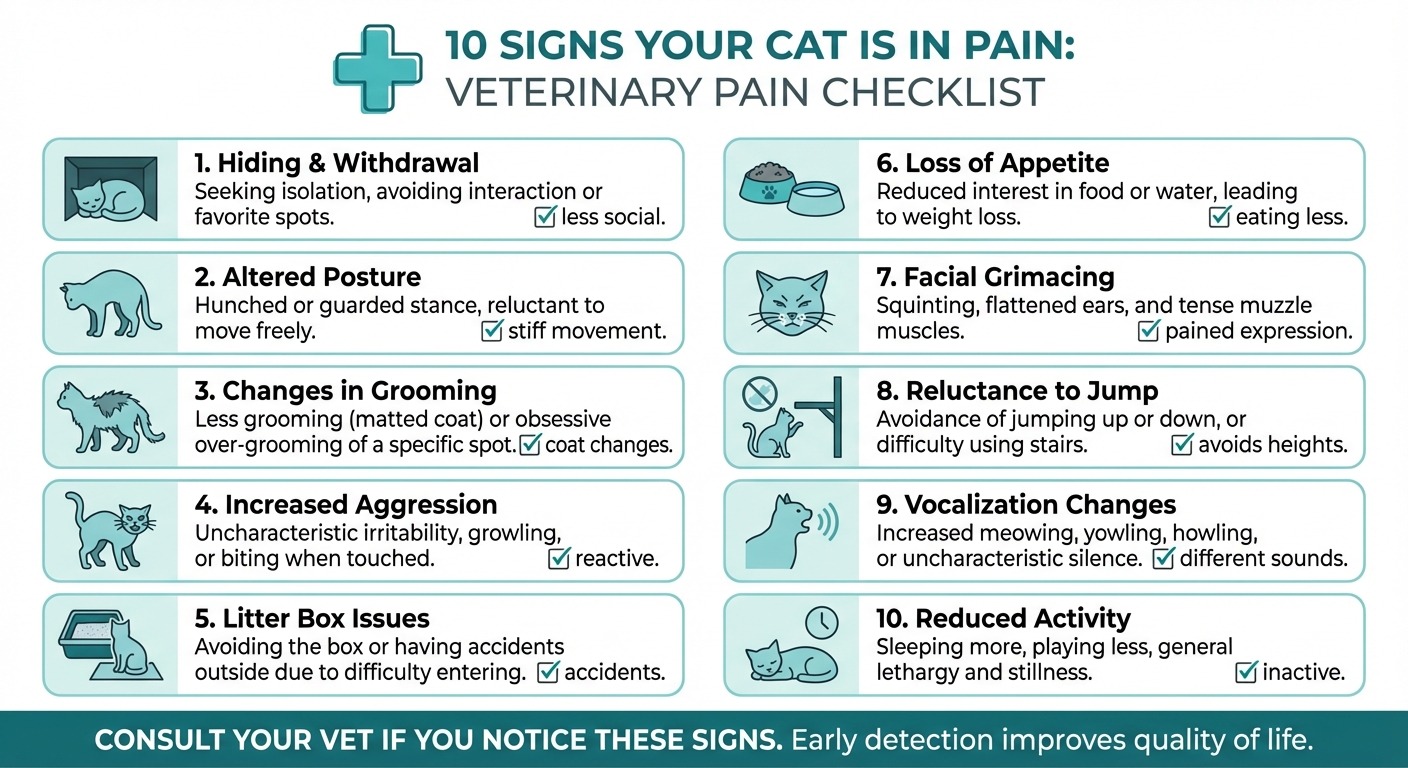
Cats are masters of disguise — not in the costume sense, but in their ability to mask pain and illness. This evolutionary trait, while helpful for survival in the wild, means that by the time you notice something is wrong with your cat, the condition may already be advanced.
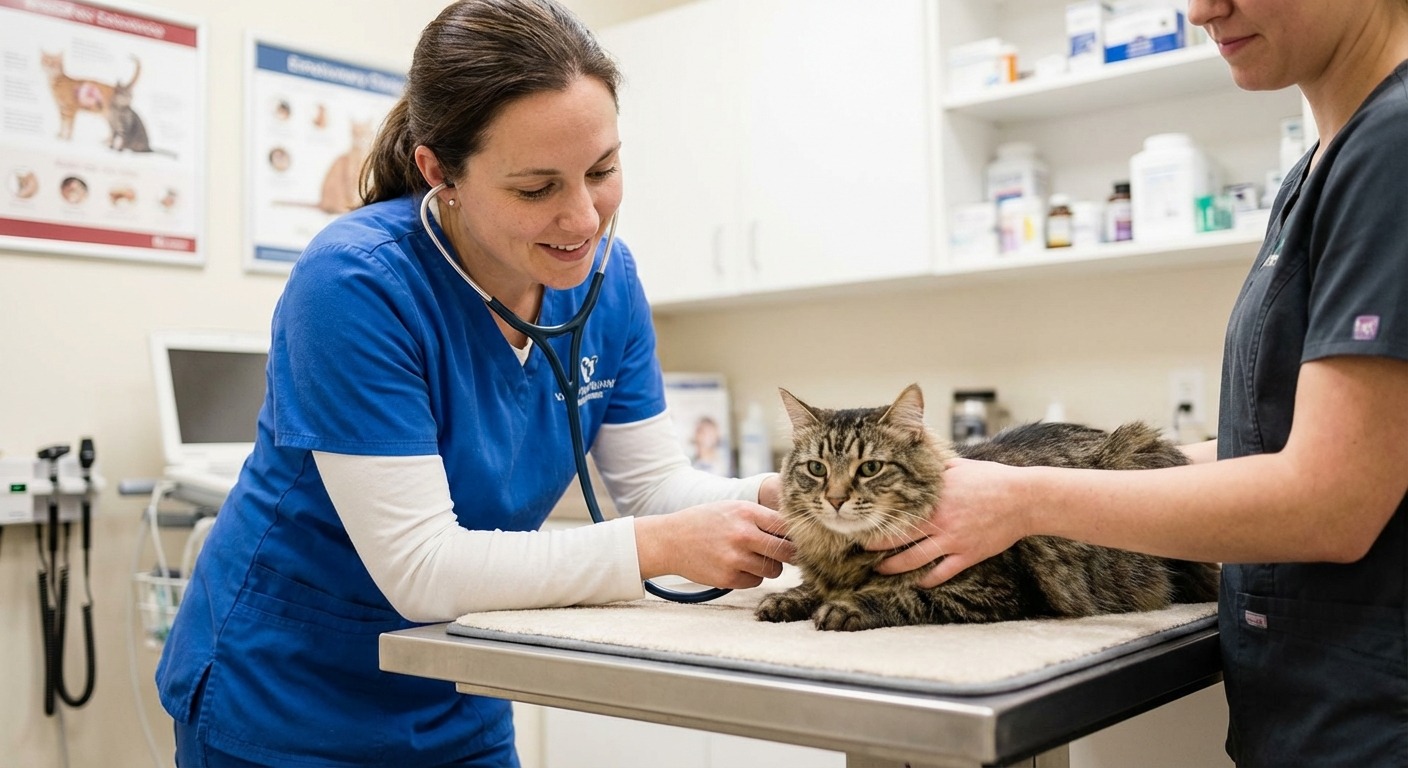
Preventive care flips this equation. Instead of reacting to illness, you're staying ahead of it. The American Veterinary Medical Association (AVMA) and the American Association of Feline Practitioners (AAFP) both emphasize that routine wellness exams are the single most impactful step you can take to keep your cat healthy.
What Preventive Care Includes
- Annual or biannual veterinary exams with bloodwork
- Core vaccinations kept up to date
- Parasite prevention (fleas, ticks, heartworm, intestinal worms)
- Dental evaluations and cleanings
- Nutrition counseling tailored to life stage
- Weight monitoring at every visit
In my practice, I've seen preventive care catch early-stage kidney disease, hyperthyroidism, and diabetes — conditions that are far more manageable (and less expensive to treat) when detected early.
Nutrition: Feeding Your Cat for Optimal Health
Understanding how to keep your cat healthy starts with what goes into their food bowl. Cats are obligate carnivores, meaning their bodies are designed to derive nutrition almost exclusively from animal-based proteins. Unlike dogs or humans, cats cannot synthesize certain essential nutrients and must get them from meat.
Key Nutritional Requirements for Cats
| Nutrient | Why It Matters | Best Source |
|---|---|---|
| Taurine | Heart and eye health; deficiency causes cardiomyopathy | Meat, fish, organ meats |
| Arachidonic acid | Skin health, kidney function, reproduction | Animal fats |
| Vitamin A | Vision, immune function, skin health | Liver, fish oil |
| Protein (30-45%) | Muscle maintenance, energy, immune function | Chicken, turkey, fish, beef |
| Moisture | Kidney health, urinary tract function | Wet/canned food |
Wet Food vs. Dry Food
This is one of the most common questions I get from cat owners. The truth is that both can be part of a healthy diet, but wet food offers significant advantages:
- Higher moisture content (78-82%) supports kidney and urinary health
- Lower carbohydrate content aligns better with feline physiology
- Higher protein per calorie helps maintain lean muscle mass
Dry food can be convenient and beneficial for dental health, but it should not be the sole diet. I generally recommend a combination of high-quality wet food as the primary diet with dry food available for grazing.
Foods to Avoid
Never feed your cat:
- Onions, garlic, and chives (toxic to red blood cells)
- Grapes and raisins (can cause kidney failure)
- Chocolate and caffeine (theobromine toxicity)
- Raw eggs (risk of Salmonella and biotin deficiency)
- Xylitol / birch sugar (hypoglycemia risk)
- Alcohol in any form
For a deeper dive into feline nutrition, see our guide on choosing the best cat food for every life stage.
Veterinary Visits and Vaccination Schedules
Regular vet visits are non-negotiable when it comes to keeping your cat healthy. Here's what I recommend based on life stage:
Recommended Vet Visit Schedule
| Life Stage | Age | Visit Frequency | Focus Areas |
|---|---|---|---|
| Kitten | 0-1 year | Every 3-4 weeks until 16 weeks, then at 6 and 12 months | Vaccinations, deworming, spay/neuter, socialization |
| Adult | 1-7 years | Annually | Wellness exam, dental check, weight, bloodwork baseline |
| Mature | 7-10 years | Every 6-12 months | Thyroid screening, kidney values, blood pressure |
| Senior | 11+ years | Every 6 months | Comprehensive bloodwork, urinalysis, imaging as needed |
Core Vaccinations
All cats, regardless of whether they live indoors or outdoors, need these core vaccines:
- Rabies — Required by law in most states. Given at 12-16 weeks, then boosted at 1 year, followed by every 1-3 years depending on vaccine type.
- FVRCP (Feline Viral Rhinotracheitis, Calicivirus, Panleukopenia) — A combination vaccine that protects against three serious viral diseases. Initial series at 6-8 weeks with boosters every 3-4 weeks until 16 weeks. Boosted at 1 year, then every 3 years.
Non-Core Vaccinations
These are recommended based on risk factors:
- FeLV (Feline Leukemia Virus) — Recommended for all kittens and adult cats that go outdoors or live with FeLV-positive cats.
- FIV (Feline Immunodeficiency Virus) — Considered for high-risk outdoor cats, though availability varies.
- Bordetella — May be recommended for cats in shelters or boarding facilities.
Your vet will tailor a vaccination schedule to your cat's specific risk profile. If you're unsure what your cat needs.
Dental Health: The Most Overlooked Area of Cat Care
Here's a statistic that surprises many cat owners: by age three, approximately 70% of cats show signs of dental disease. Periodontal disease doesn't just cause bad breath and tooth pain — it can lead to bacteria entering the bloodstream and affecting the heart, kidneys, and liver.
Signs of Dental Problems
- Bad breath (beyond normal "cat breath")
- Red, swollen, or bleeding gums
- Difficulty eating or dropping food
- Drooling or pawing at the mouth
- Weight loss due to pain while eating
- Yellow or brown tartar buildup on teeth
At-Home Dental Care
The gold standard is daily tooth brushing with a cat-specific enzymatic toothpaste. I know — easier said than done. Here's a realistic progression:
- Week 1-2: Let your cat taste the enzymatic toothpaste from your finger
- Week 3-4: Gently rub the paste on the gum line with your finger
- Week 5+: Introduce a cat toothbrush or finger brush and work up to full brushing
If brushing simply isn't possible, dental treats, water additives with the VOHC (Veterinary Oral Health Council) seal, and dental diets can help — though none replace professional cleanings.
Professional Dental Cleanings
Professional cleanings under anesthesia allow your vet to:
- Remove tartar above and below the gum line
- Take dental X-rays to assess root health
- Extract damaged or infected teeth
- Polish the teeth to slow future tartar buildup
Most adult cats benefit from a professional dental cleaning every 1-2 years. For more details, read our guide on cat dental care essentials.
Parasite Prevention Year-Round
Even strictly indoor cats need parasite prevention. Fleas can hitch a ride on your clothing, mosquitoes can get inside and transmit heartworm, and intestinal parasites can be tracked in on shoes.
Common Parasites in Cats
- Fleas — The most common external parasite. Can cause flea allergy dermatitis, anemia in kittens, and transmit tapeworms.
- Ticks — Less common in cats than dogs but can transmit serious diseases like cytauxzoonosis.
- Heartworm — Transmitted by mosquitoes. There is no approved treatment for heartworm in cats, making prevention critical.
- Intestinal worms — Roundworms, hookworms, tapeworms, and whipworms can cause weight loss, diarrhea, and anemia.
- Ear mites — Especially common in kittens. Causes intense itching and dark, coffee-ground-like discharge from the ears.
Choosing a Parasite Prevention Product
Work with your vet to select the right product. Options include topical treatments, oral medications, and collars. The best choice depends on your cat's lifestyle, age, and health status.
Important: Never use dog flea/tick products on cats. Many contain permethrin, which is highly toxic — and potentially fatal — to cats.
Weight Management and Exercise
Obesity is the most common nutritional disorder in cats. The Association for Pet Obesity Prevention estimates that nearly 60% of cats in the United States are overweight or obese. Extra weight increases the risk of diabetes, arthritis, urinary problems, and hepatic lipidosis (fatty liver disease).
How to Tell If Your Cat Is Overweight
Use the Body Condition Score (BCS) system, which rates your cat on a scale of 1-9:
- 1-3: Underweight (ribs, spine, and hip bones visible)
- 4-5: Ideal (ribs easily felt but not visible, visible waist from above)
- 6-7: Overweight (ribs difficult to feel under fat layer, no visible waist)
- 8-9: Obese (ribs cannot be felt, obvious belly pouch, fat deposits)
Your vet can help you assess your cat's BCS and set a target weight.
Exercise Strategies for Cats
Cats need at least 15-30 minutes of active play daily. Here are effective strategies:
- Interactive wand toys — Mimic prey movements to trigger the hunt-chase-catch-eat cycle
- Puzzle feeders — Make your cat work for food, slowing eating and providing mental stimulation
- Laser pointers — Good for cardio, but always end with a physical toy your cat can "catch"
- Cat trees and climbing shelves — Encourage vertical movement and climbing
- Rotate toys — Keep 5-7 toys in circulation, swapping them every few days to maintain novelty
If your cat needs to lose weight, your vet will create a safe weight loss plan. Cats should lose no more than 1-2% of their body weight per week — rapid weight loss can trigger hepatic lipidosis, a life-threatening liver condition.
For indoor-specific tips, see our article on best exercises and toys for indoor cats.
Mental Health and Environmental Enrichment
A healthy cat isn't just physically well — they're mentally stimulated and emotionally secure. Boredom and stress contribute to behavioral problems like inappropriate elimination, over-grooming, and aggression.
The Five Pillars of a Healthy Feline Environment
The AAFP identifies five environmental needs for indoor cats:
- A safe place — Provide hiding spots like covered beds, boxes, or elevated perches where your cat can retreat
- Multiple key resources — Food, water, litter boxes, scratching posts, and resting areas should be available in multiple locations, especially in multi-cat homes
- Opportunity for play and predatory behavior — Daily interactive play sessions that mimic hunting
- Positive, consistent human-cat interaction — Respect your cat's preferences for type and amount of contact
- An environment that respects the cat's sense of smell — Avoid strong fragrances, use feline pheromone diffusers if needed, and don't over-clean areas your cat has scent-marked
Signs of Stress in Cats
- Hiding more than usual
- Changes in eating or litter box habits
- Over-grooming or hair loss
- Aggression toward people or other pets
- Excessive vocalization
- Spraying or marking outside the litter box
If your cat is showing signs of stress, identify and address the trigger before it leads to a medical issue. Chronic stress weakens the immune system and can exacerbate conditions like feline idiopathic cystitis (FIC).
Grooming and Skin Health
Regular grooming isn't just about keeping your cat looking good — it's an opportunity to check for lumps, bumps, parasites, skin changes, and other health issues.
Grooming Guidelines by Coat Type
| Coat Type | Brushing Frequency | Recommended Tool |
|---|---|---|
| Short hair | 1-2 times per week | Rubber grooming brush or bristle brush |
| Medium hair | 2-3 times per week | Slicker brush and metal comb |
| Long hair | Daily | Wide-tooth comb, slicker brush, and mat splitter |
| Hairless (Sphynx) | Weekly baths | Gentle cat shampoo, soft cloth |
What to Watch For During Grooming
- Lumps or bumps — Could indicate cysts, lipomas, or tumors
- Flea dirt — Small black specks that turn red when wet (flea feces)
- Bald patches — May signal allergies, ringworm, or over-grooming from stress
- Dry, flaky skin — Could indicate poor nutrition, allergies, or low humidity
- Ear discharge — Dark, waxy buildup may indicate ear mites or infection
Hydration: Getting Your Cat to Drink More Water
Adequate hydration is crucial for kidney health, urinary tract function, and overall well-being. Cats evolved as desert animals and have a naturally low thirst drive, which means many domestic cats live in a state of mild chronic dehydration.
How to Encourage Water Intake
- Cat water fountains — Many cats prefer running water. A fountain can increase water intake by 30-50%
- Multiple water stations — Place water bowls in different rooms, away from food and litter boxes
- Wide, shallow bowls — Cats dislike whisker fatigue from narrow, deep bowls
- Fresh water daily — Change water at least once daily; some cats prefer filtered or bottled water
- Wet food — Canned food is approximately 80% water and is one of the most effective ways to increase moisture intake
- Add water to food — A tablespoon of warm water mixed into wet food adds extra hydration
Signs of Dehydration
- Lethargy and decreased energy
- Dry, tacky gums
- Skin tenting (skin pulled gently at the shoulders stays "tented" rather than snapping back)
- Sunken eyes
- Decreased urination
If you suspect dehydration, contact your vet immediately — it can escalate quickly, especially in kittens and senior cats.
Common Health Issues by Life Stage
Understanding the health risks at each stage of your cat's life helps you know what to watch for and when to seek veterinary care.
Kittens (0-12 months)
- Upper respiratory infections
- Intestinal parasites
- Ringworm
- Feline panleukopenia (if unvaccinated)
- Congenital conditions (heart defects, hernias)
Adult Cats (1-7 years)
- Obesity
- Dental disease
- Urinary tract issues (FLUTD/FIC)
- Flea allergy dermatitis
- Behavioral problems from stress or boredom
Senior Cats (7+ years)
- Chronic kidney disease
- Hyperthyroidism
- Diabetes mellitus
- Arthritis and mobility issues
- Cancer
- Cognitive dysfunction syndrome
- Hypertension
For each life stage, the best approach is regular monitoring and early intervention. Our article on senior cat care tips covers age-related conditions in more detail.
Recommended Products for Cat Health
Based on my clinical experience and current veterinary guidelines, these products support key aspects of feline health. I recommend discussing any new supplement or product with your veterinarian before starting.
| Product Category | Top Pick | Key Benefit | Where to Buy |
|---|---|---|---|
| Premium Wet Cat Food | Purina Pro Plan Complete Essentials | High protein, AAFCO-approved, vet-recommended | Amazon |
| Cat Water Fountain | Catit Flower Fountain | BPA-free, quiet pump, encourages drinking | Amazon |
| Enzymatic Toothpaste | Virbac CET Enzymatic Toothpaste | Poultry flavored, no rinsing needed, vet recommended | Amazon |
| Interactive Wand Toy | Da Bird Original Feather Toy | Realistic flight simulation, encourages exercise | Amazon |
| Puzzle Feeder | Trixie Activity Fun Board | 5 challenge modules, slows eating, mental stimulation | Amazon |
| Cat Tree | Go Pet Club 72-Inch Cat Tree | Multiple platforms, sisal posts, hideaway spots | Amazon |
| Feline Probiotic | Purina FortiFlora for Cats | Veterinary-grade probiotic, supports digestive health | Amazon |
| Grooming Brush | Furminator for Cats | Reduces shedding up to 90%, ergonomic handle | Amazon |
Frequently Asked Questions
How often should I take my cat to the vet?
Healthy adult cats should visit the vet at least once per year for a wellness exam. Kittens need visits every 3-4 weeks until 16 weeks old for their vaccination series. Senior cats (ages 7 and older) benefit from checkups every 6 months to catch age-related conditions like kidney disease and hyperthyroidism early. If your cat has a chronic condition, your vet may recommend more frequent visits.
What is the best diet for a healthy cat?
The best diet is a high-protein, low-carbohydrate diet based on animal protein sources. Cats are obligate carnivores and require nutrients like taurine, arachidonic acid, and vitamin A that come exclusively from animal tissues. Look for AAFCO-approved foods with a named meat (chicken, turkey, salmon) as the first ingredient. A combination of wet and dry food generally provides the best balance of hydration and nutrition.
How can I tell if my cat is sick?
Watch for changes in appetite, water intake, weight, litter box habits, energy level, and behavior. Specific warning signs include vomiting, diarrhea, coughing, sneezing, discharge from the eyes or nose, hiding more than usual, and unexplained aggression. Because cats instinctively hide illness, even subtle changes in routine behavior can be significant and may warrant a vet visit.
Do indoor cats need vaccinations?
Yes. Indoor cats still need core vaccinations — rabies and FVRCP. Viruses can enter your home through open windows, screen doors, escaped outdoor time, new pets, or pathogens brought inside on shoes and clothing. Rabies vaccination is also required by law in most jurisdictions, regardless of indoor/outdoor status.
How do I keep my indoor cat healthy and happy?
Provide environmental enrichment including climbing structures, puzzle feeders, and interactive toys. Maintain a consistent feeding schedule with high-quality food, keep litter boxes clean (one per cat plus one extra), schedule regular vet visits, and dedicate at least 15-30 minutes of interactive playtime daily. Consider placing bird feeders outside windows to provide visual stimulation.
What vaccinations does my cat need?
All cats need core vaccines: rabies and FVRCP (feline viral rhinotracheitis, calicivirus, and panleukopenia). Non-core vaccines like FeLV (feline leukemia virus) are recommended for outdoor cats, cats in multi-cat households, or cats with unknown exposure history. Your veterinarian will create a personalized vaccination schedule based on your cat's age, lifestyle, and geographic risk factors.
How much water should a cat drink per day?
A healthy cat should drink approximately 3.5 to 4.5 ounces of water per 5 pounds of body weight per day. A 10-pound cat needs roughly 7 to 9 ounces daily. Cats on wet food diets typically drink less since canned food is about 80% water. If you notice a sudden increase or decrease in your cat's water intake, consult your veterinarian — it could indicate diabetes, kidney disease, or hyperthyroidism.
Sources and Methodology
This article is based on current veterinary guidelines, peer-reviewed research, and clinical experience. Sources include:
- American Veterinary Medical Association (AVMA) — Preventive healthcare guidelines for cats
- American Association of Feline Practitioners (AAFP) — Feline vaccination guidelines (2024 update), environmental needs guidelines, and senior care guidelines
- World Small Animal Veterinary Association (WSAVA) — Global nutrition guidelines for cats and dogs
- Veterinary Oral Health Council (VOHC) — Accepted products list for dental health
- Association for Pet Obesity Prevention (APOP) — 2025 National Pet Obesity Survey data
- Journal of Feline Medicine and Surgery — Peer-reviewed research on feline nutrition, dental disease prevalence, and chronic kidney disease management
- Cornell University College of Veterinary Medicine — Feline health resources and disease information
- International Society of Feline Medicine (ISFM) — Wellbeing guidelines and stress assessment tools
All product recommendations are based on clinical experience, veterinary consensus, and established efficacy. This article is reviewed and updated regularly to reflect the latest veterinary guidelines and research.
About the Author
Dr. Emily Parsons, DVM is a licensed veterinarian and feline health specialist with over 15 years of clinical experience. She completed her Doctor of Veterinary Medicine at Cornell University College of Veterinary Medicine and completed a residency in feline internal medicine. Dr. Parsons is a member of the American Association of Feline Practitioners (AAFP) and the American Veterinary Medical Association (AVMA). She is passionate about preventive care and educating cat owners on evidence-based health practices.
⚕️ Medical Disclaimer: This article is for informational purposes only and does not constitute veterinary medical advice, diagnosis, or treatment. Always consult a qualified veterinarian for your cat's specific health needs. Never delay seeking professional veterinary care based on information found online. If your cat is experiencing a medical emergency, contact your veterinarian or an emergency animal hospital immediately.
© 2026 Cat Care Guides. All rights reserved. Last updated: March 2026
Looking for more expert cat care advice? Explore our guides on choosing the right cat food, indoor cat exercise tips, and senior cat health.
Visual Guide Gallery