undefined
undefined
By undefined · Updated undefined
Affiliate disclosure: This article contains affiliate links. If you purchase through these links, we may earn a small commission at no extra cost to you. This helps support our content. All product recommendations are independently chosen by our veterinary team.
Table of Contents
- Why Cats Hide Pain
- Behavioral Signs Your Cat Is in Pain
- Body Language and Physical Cues
- Vocalization Changes
- Eating and Drinking Changes
- Litter Box and Grooming Changes
- The Feline Pain Assessment Checklist
- When to Call the Vet: Emergency vs. Non-Emergency Signs
- Cat Comfort and Pain Monitoring Products
- How Veterinarians Diagnose Pain in Cats
- What NOT to Do: Common Mistakes
- FAQ
- Sources
Why Cats Hide Pain
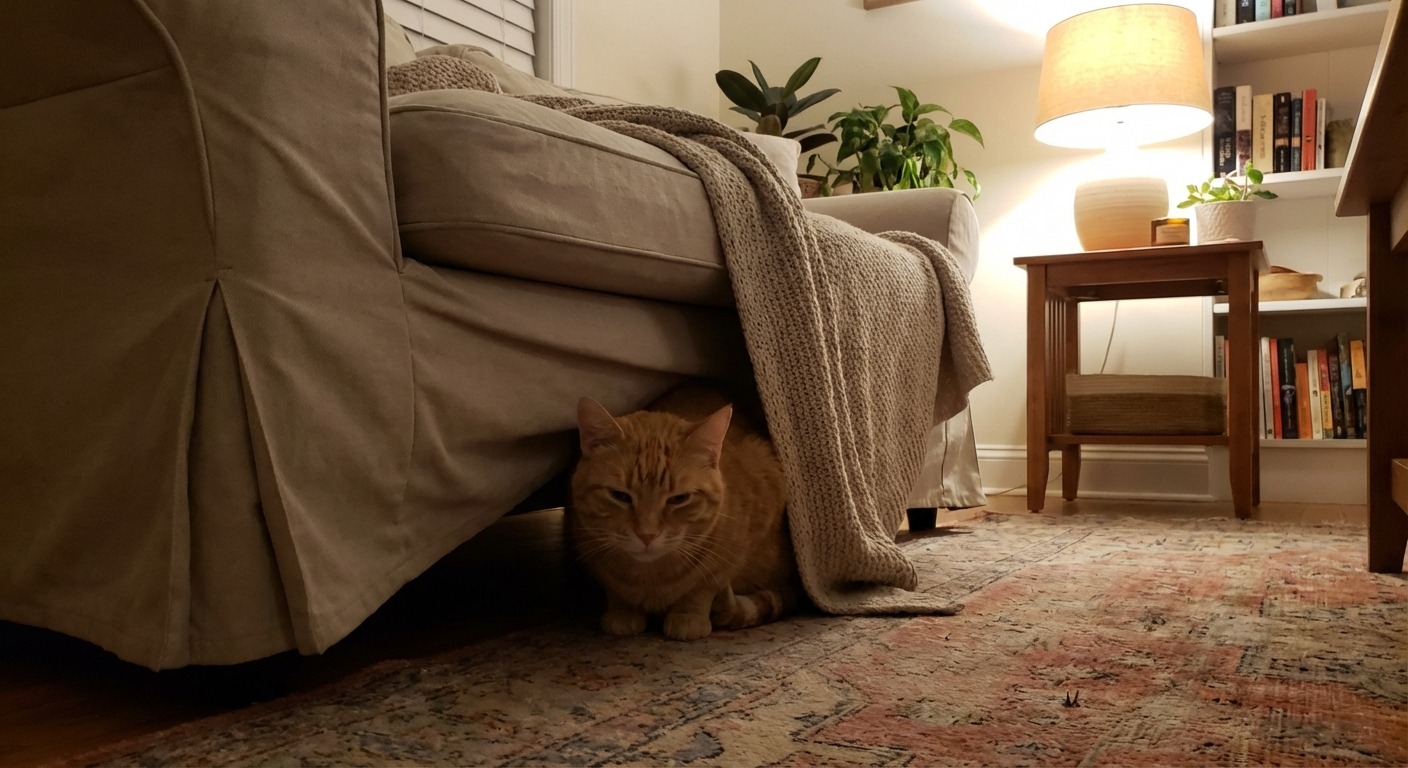
Cats are solitary predators by nature. In the wild, a cat that shows weakness becomes a target — for larger predators, territorial rivals, or opportunistic competitors. This deep-rooted survival instinct means that even well-loved house cats will instinctively mask pain for as long as they possibly can.
According to Dr. Sarah V., a veterinarian with over 15 years of clinical experience: "The biggest challenge in feline medicine is that cats are incredibly stoic. By the time most owners notice something is wrong, the cat has likely been in discomfort for days or even weeks. Learning to read the early, subtle signs is the single most important thing you can do for your cat's health."
The Evolutionary Explanation
Wild cats that showed vulnerability were less likely to survive and reproduce. This means modern domestic cats have inherited a powerful instinct to:
- Maintain normal routines even when hurting
- Isolate themselves rather than show weakness
- Reduce activity gradually rather than suddenly
- Suppress vocalizations that might attract attention
This is why waiting for your cat to "tell you" it's in pain isn't a reliable strategy. Instead, you need to become an active observer of your cat's normal behavior so you can detect deviations early.
How Common Is Undetected Pain in Cats?
Research published in the Journal of Feline Medicine and Surgery estimates that up to 90% of cats over age 12 have radiographic evidence of degenerative joint disease — yet fewer than 40% of owners report any signs of pain in their senior cats. This gap highlights just how effectively cats conceal discomfort.
Understanding your cat's baseline behavior — how much they normally eat, sleep, play, and socialize — gives you a reference point. Any deviation from this baseline warrants closer attention.
Behavioral Signs Your Cat Is in Pain
Behavioral changes are often the first and most reliable indicators that something is wrong. Here are the key signs to watch for:
1. Hiding More Than Usual
A cat in pain will often seek out secluded spots — under beds, behind furniture, inside closets, or in rooms they don't normally frequent. While cats naturally enjoy quiet time, a noticeable increase in hiding behavior is a red flag.
What to look for:
- Your cat disappears for longer periods than normal
- They choose new, unusual hiding spots
- They resist coming out even for meals or treats
- They retreat when approached rather than engaging
2. Decreased Activity and Reluctance to Move
Pain often causes cats to become less active. You may notice your cat:
- No longer jumping onto favorite perches or windowsills
- Hesitating before jumping up or down
- Taking stairs slowly or avoiding them entirely
- Sleeping significantly more than usual
- Lying in one position for extended periods without shifting
If your cat used to leap onto counters with ease and now hesitates at a low chair, pain — particularly joint pain — is a likely culprit.
3. Changes in Social Behavior
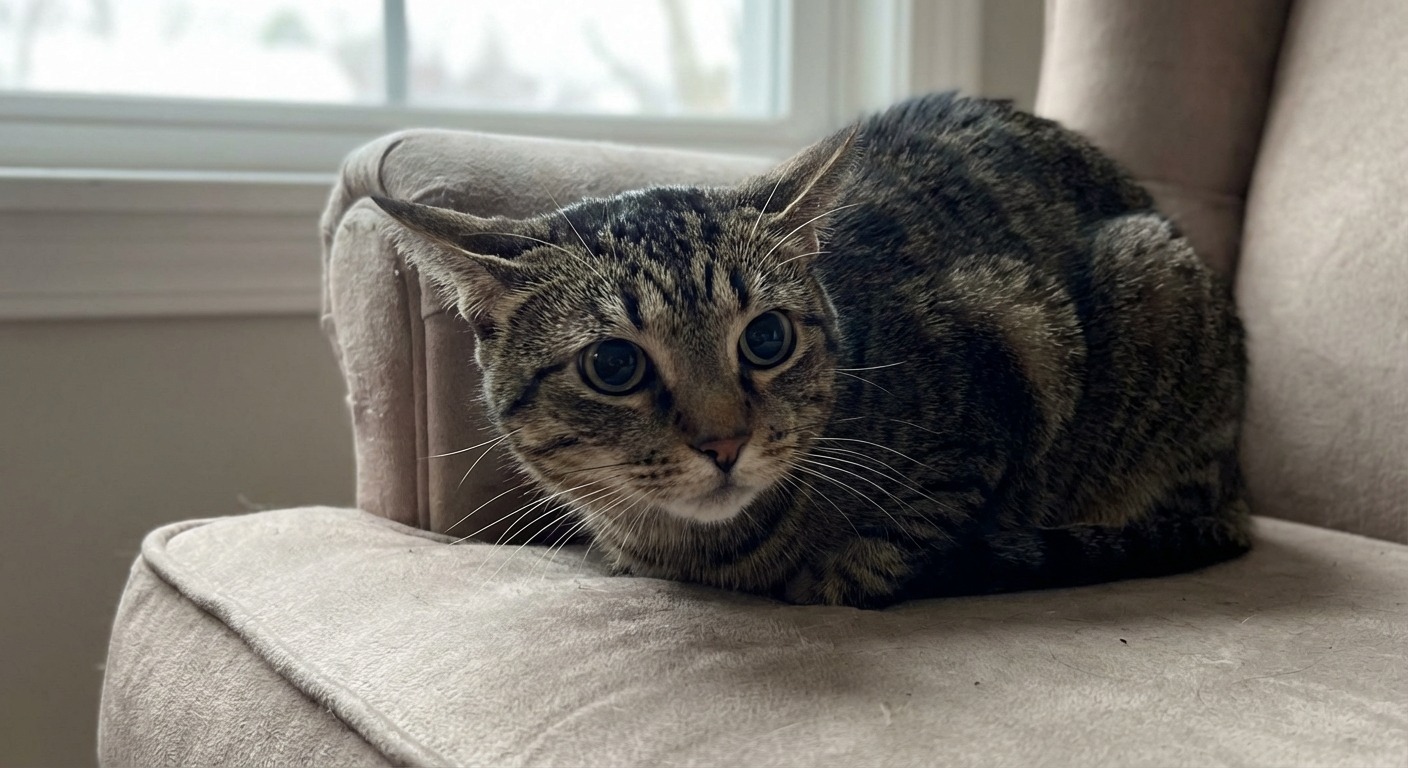
A previously affectionate cat that suddenly becomes withdrawn, or a normally independent cat that becomes unusually clingy, may be experiencing pain. Watch for:
- Withdrawal — avoiding family members, other pets, or normal interaction
- Increased clinginess — seeking constant contact, following you from room to room
- Aggression — hissing, swatting, or biting when touched (especially in a specific area)
- Loss of interest — no longer responding to toys, treats, or activities they previously enjoyed
4. Changes in Sleep Patterns
While cats are famous sleepers (averaging 12–16 hours per day), pain can alter their sleep habits:
- Sleeping significantly more or less than normal
- Difficulty settling into a comfortable position
- Restlessness — getting up and lying down repeatedly
- Sleeping in unusual locations (a cat in pain may avoid their usual bed if it requires jumping)
5. Temperament Shifts
A normally gentle cat that becomes irritable, or a typically feisty cat that becomes unusually docile, may be masking or responding to pain. Sudden personality changes in cats should always be investigated by a veterinarian.
Body Language and Physical Cues
Cats communicate volumes through their body language. Learning to read these physical cues can help you detect pain early.
Facial Expressions: The Feline Grimace Scale
In 2019, researchers at the University of Montreal developed the Feline Grimace Scale (FGS) — a validated tool for assessing pain in cats based on facial expressions. The scale evaluates five key facial features:
| Facial Feature | Pain Indicator |
|---|---|
| Ear position | Ears flattened, rotated outward, or pulled apart |
| Orbital tightening | Squinted or partially closed eyes |
| Muzzle tension | Tense, rounded muzzle rather than relaxed |
| Whisker position | Whiskers pushed forward or held tight against the face |
| Head position | Head held lower than the shoulders, tilted down |
The Feline Grimace Scale has been shown to reliably detect acute pain and is now used in veterinary clinics worldwide. You can learn to apply it at home too — the key is observing your cat's face when they're relaxed and pain-free so you know what their normal expression looks like.
Posture Changes
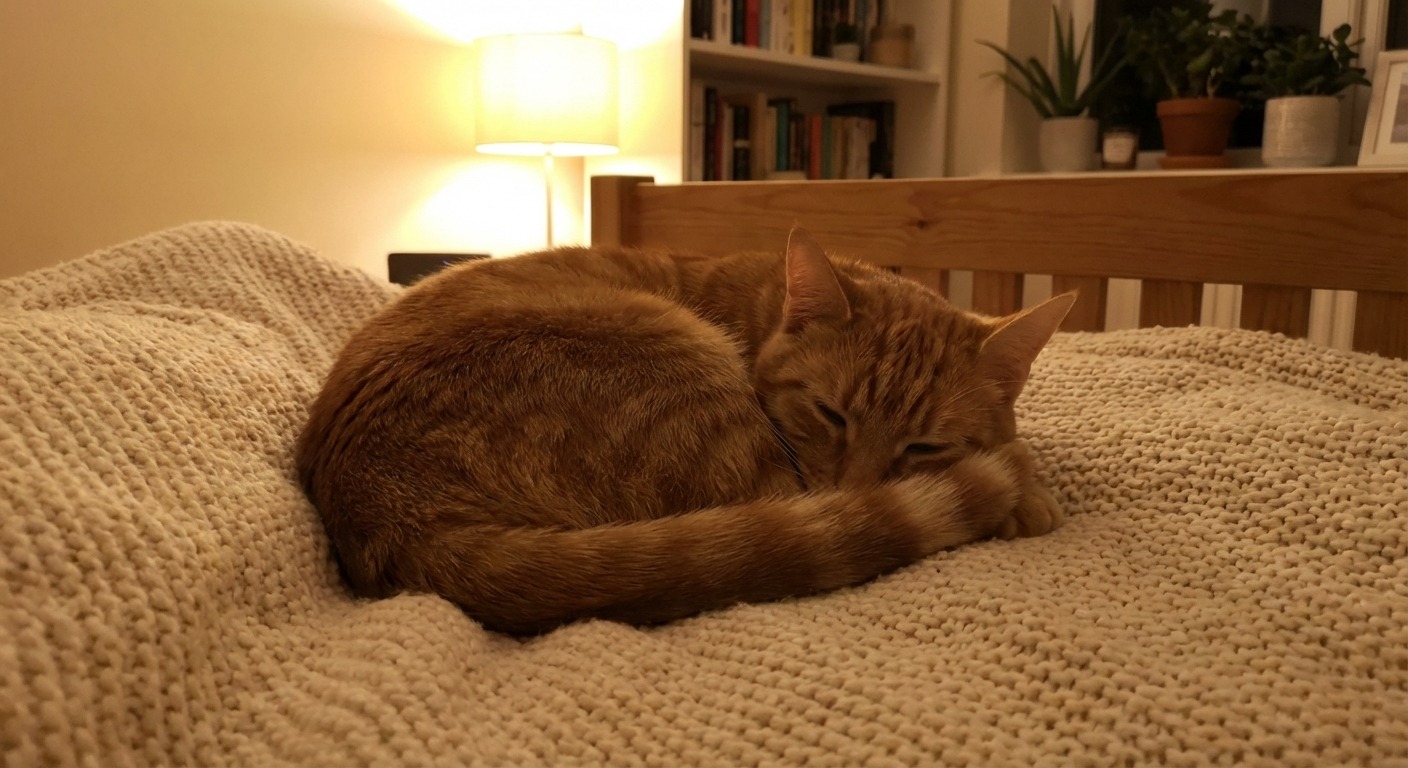
A cat in pain often adopts specific postures designed to protect the painful area:
- Hunched posture — back arched, head tucked down, all four legs pulled beneath the body. This is a classic pain posture, especially for abdominal or internal pain.
- Guarding — tensing muscles around a specific area, shifting weight away from a painful limb
- Stiff movement — walking with a rigid gait, reluctance to turn the head or body
- Limping or favoring a leg — may be intermittent; some cats will only limp when they think no one is watching
- Tail position — tail held low, tucked, or flicking rapidly without apparent stimulus
Eye Changes
Pain can cause noticeable changes in your cat's eyes:
- Dilated pupils in normal lighting may indicate pain or stress
- Constricted pupils can indicate pain affecting the head or eyes
- Squinting or half-closed eyes — a key component of the Feline Grimace Scale
- Third eyelid visible — the nictitating membrane partially covering the eye suggests illness or discomfort
- Excessive blinking or avoiding eye contact
Muscle Tension and Touch Sensitivity
Gently running your hand along your cat's body can reveal:
- Flinching when a specific area is touched
- Muscle twitching or spasms under the skin
- Swelling or heat in a particular region
- Withdrawal — pulling away, hissing, or biting when you touch a painful spot
If your cat reacts negatively to being touched in an area they previously didn't mind, take note. This is one of the most reliable home indicators of localized pain.
Vocalization Changes
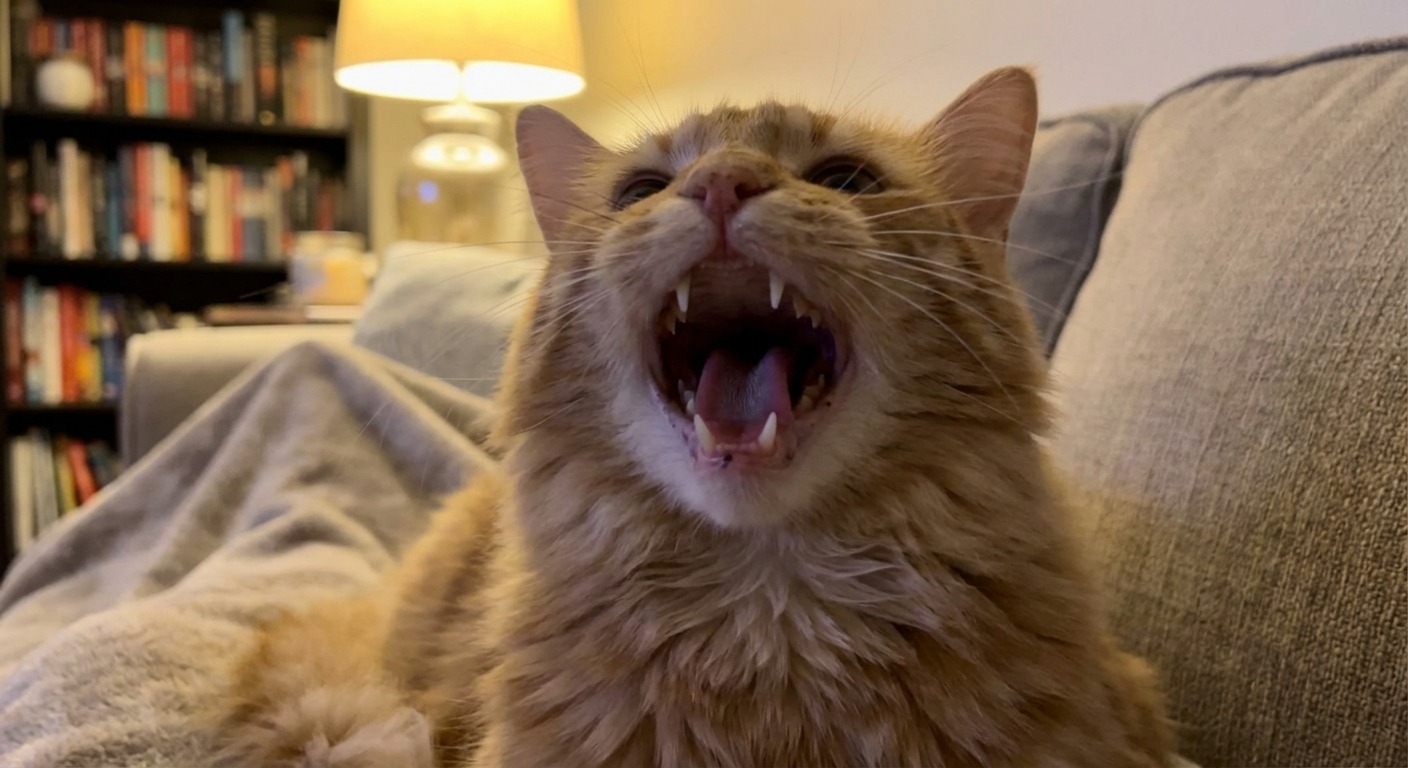
Changes in vocalization are a significant — but often misunderstood — pain indicator in cats.
Increased Vocalization
Some cats become more vocal when in pain:
- Yowling or howling — deep, prolonged vocalizations, especially at night
- Growling or hissing — when approached, picked up, or when a painful area is touched
- Crying out — sharp vocalizations during movement, when jumping, or when using the litter box
- Excessive meowing — persistent vocalizations that seem directed at getting your attention
Decreased Vocalization
Conversely, some cats become quieter when in pain:
- A normally chatty cat that stops meowing
- Reduced purring or an absence of purring in situations where they'd normally purr
- Less responsive to verbal interaction
The Purring Paradox
Many people assume a purring cat is a happy, comfortable cat. But research has shown that cats also purr as a self-soothing mechanism when they're in pain, stressed, or even dying. Purring produces vibrations at frequencies (25–150 Hz) that may promote bone healing and reduce inflammation.
Key takeaway: Don't assume your cat is fine just because they're purring. Evaluate purring in context with other behavioral and physical signs.
Eating and Drinking Changes
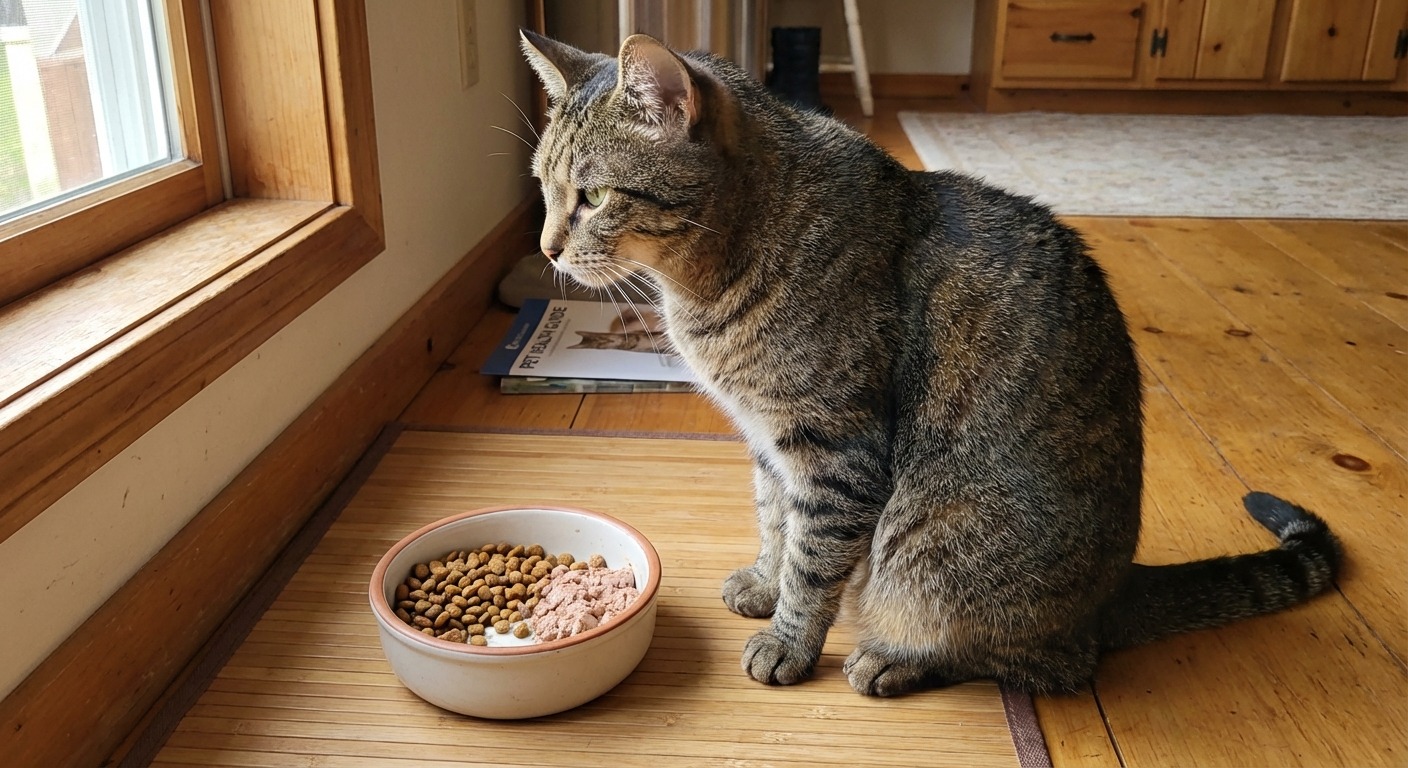
Changes in appetite and eating behavior are among the most noticeable pain indicators because most cat owners are closely attuned to feeding routines.
Decreased Appetite or Refusal to Eat
A cat in pain may:
- Approach the food bowl but walk away without eating
- Eat significantly less than their normal portion
- Show interest in food but struggle to eat (especially with dental pain)
- Drop food from their mouth while chewing
- Refuse favorite treats they'd normally devour
Important: A cat that stops eating entirely for more than 24 hours needs veterinary attention. Cats are susceptible to hepatic lipidosis (fatty liver disease), a potentially fatal condition that can develop within days when a cat stops eating — particularly in overweight cats.
Changes in Drinking Habits
- Increased water consumption may indicate kidney disease, diabetes, or other conditions causing pain
- Decreased water intake combined with reduced eating is a concern for dehydration
- Difficulty drinking — approaching the water bowl but struggling or hesitating
Investing in a quality water fountain can encourage hydration, which is especially important for cats dealing with health issues. Check out our guide on the best cat water fountains for recommendations.
Weight Changes
Gradual weight loss — even as little as half a pound in a small cat — can indicate chronic pain that's been reducing appetite over time. Regular weigh-ins (monthly for senior cats) can catch this early. A simple kitchen scale works for most cats.
Litter Box and Grooming Changes
Litter Box Red Flags
Pain can dramatically alter your cat's litter box habits:
- Urinating or defecating outside the box — this is one of the most common pain-related behavioral changes. A cat with arthritis may find it painful to step into a high-sided box. A cat with urinary pain may associate the box with discomfort.
- Straining in the box — spending extended time in the litter box without producing results
- Vocalizing in the box — crying or meowing while urinating or defecating
- Increased or decreased frequency — going more or less often than normal
- Changes in stool or urine — blood, unusual color, or consistency changes
Emergency warning: A male cat straining to urinate and producing little or no urine may have a urinary blockage — this is a life-threatening emergency requiring immediate veterinary care.
Grooming Changes
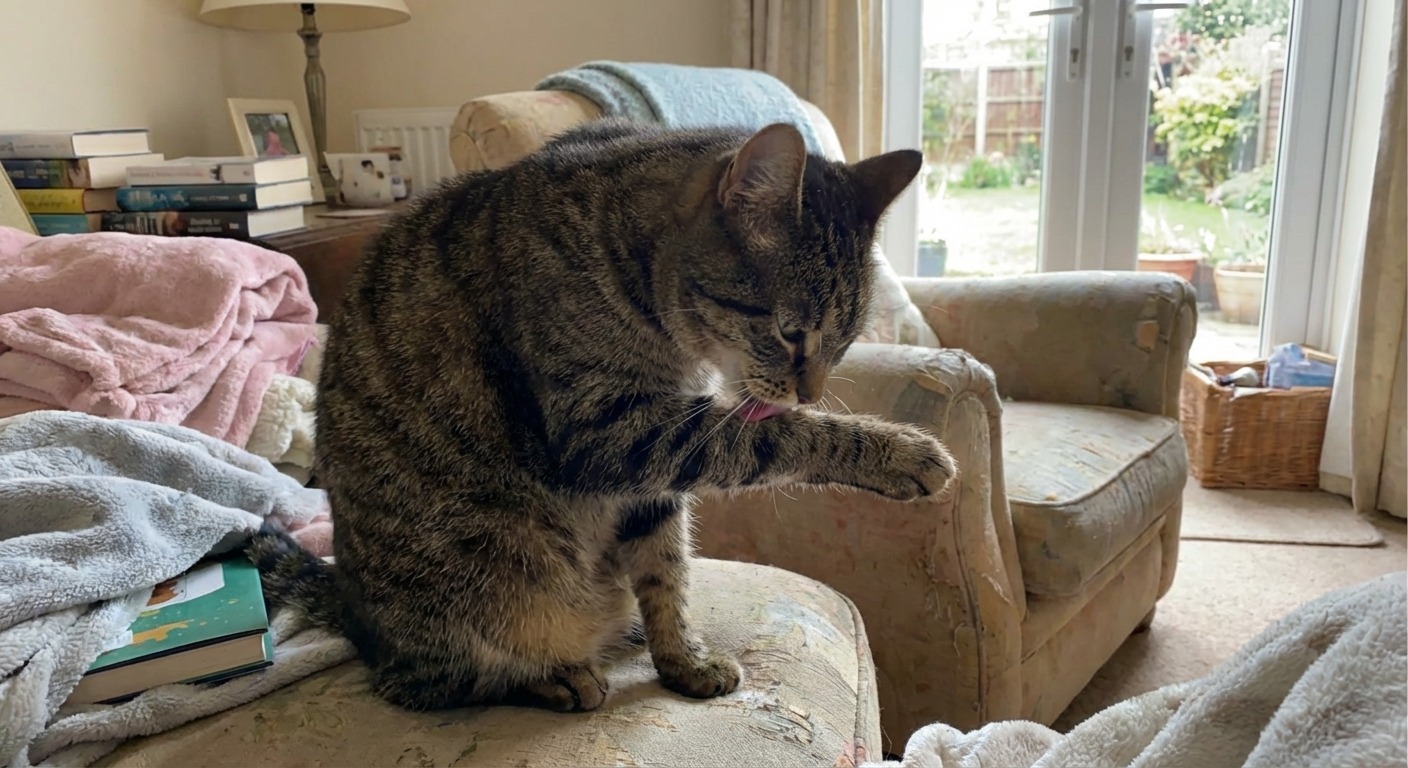
Grooming changes go both ways in cats experiencing pain:
Over-grooming (excessive grooming):
- Licking, biting, or chewing one specific area repeatedly
- Creating bald patches or raw skin from excessive grooming
- Focusing grooming on a joint, limb, or area of the abdomen
- This is the cat's attempt to "treat" the source of their pain
Under-grooming (reduced grooming):
- Coat becoming dull, matted, or unkempt
- Dandruff or flaky skin developing
- Particularly common in cats with arthritis who find it painful to twist and reach certain areas
- Often most noticeable on the back, hind quarters, and base of the tail
Proper nutrition supports coat health and overall wellbeing. See our guide on the best cat food for indoor cats for veterinarian-recommended options.
The Feline Pain Assessment Checklist
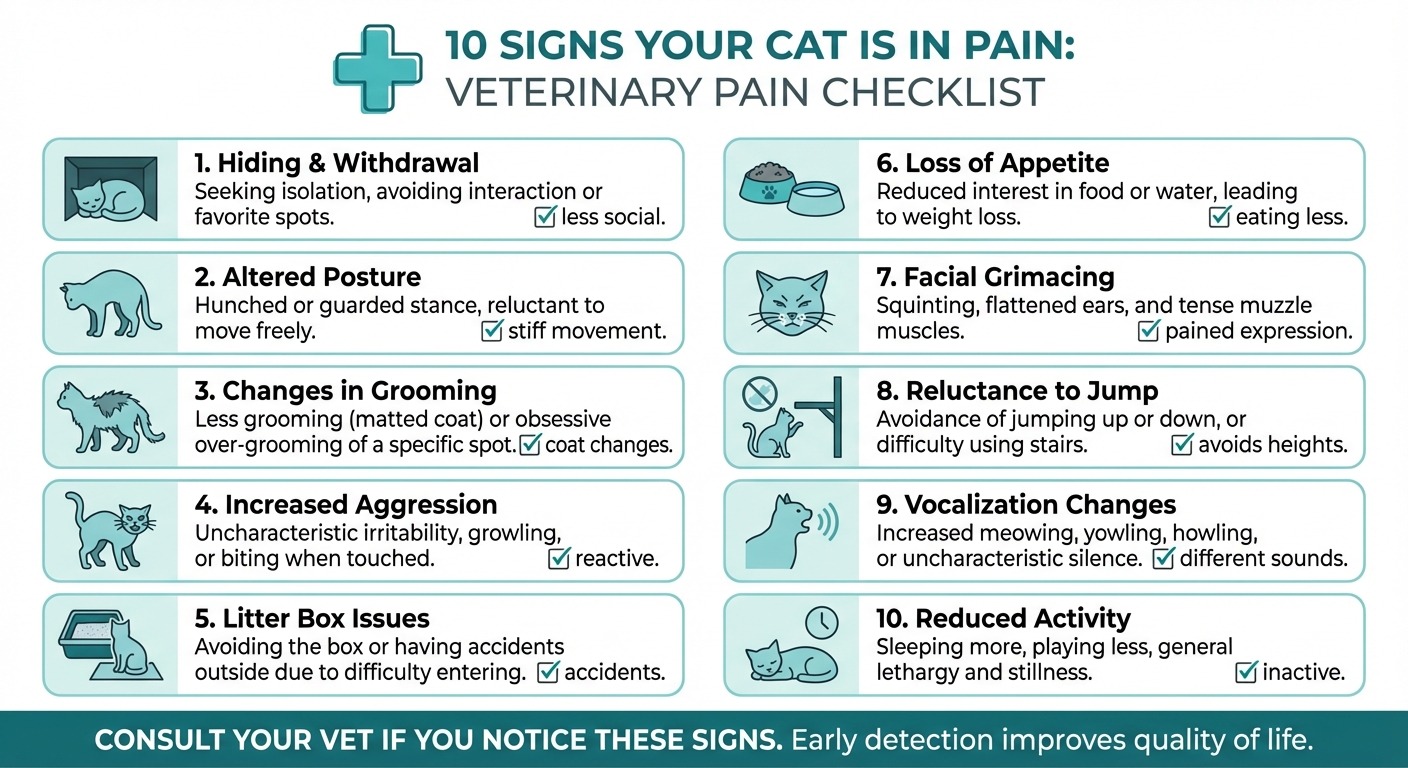
Use this checklist regularly — especially for senior cats (age 7+). If your cat shows three or more of these signs, schedule a veterinary appointment:
Behavioral Signs:
- ☐ Hiding more than usual
- ☐ Reduced activity or reluctance to jump
- ☐ Changes in social behavior (withdrawal or clinginess)
- ☐ Sleep pattern changes
- ☐ Loss of interest in play or toys
- ☐ Unusual aggression or irritability
Physical Signs:
- ☐ Hunched or tense posture
- ☐ Limping or stiff gait
- ☐ Squinting or facial tension (Feline Grimace Scale)
- ☐ Flinching when touched in a specific area
- ☐ Third eyelid visible
Vocalization Signs:
- ☐ Increased yowling, especially at night
- ☐ Crying out during movement
- ☐ Growling or hissing when touched
- ☐ Unusual silence in a normally vocal cat
Eating & Elimination Signs:
- ☐ Decreased appetite or refusing food
- ☐ Difficulty chewing or dropping food
- ☐ Litter box accidents
- ☐ Straining or vocalizing during elimination
- ☐ Changes in water consumption
Grooming Signs:
- ☐ Over-grooming one area (bald patches)
- ☐ Under-grooming (matted, dull coat)
Print this checklist and keep it on your refrigerator. Reviewing it monthly helps you catch changes before they become serious. Keeping a pet home safety essentials kit nearby is also wise for unexpected situations.
When to Call the Vet: Emergency vs. Non-Emergency Signs
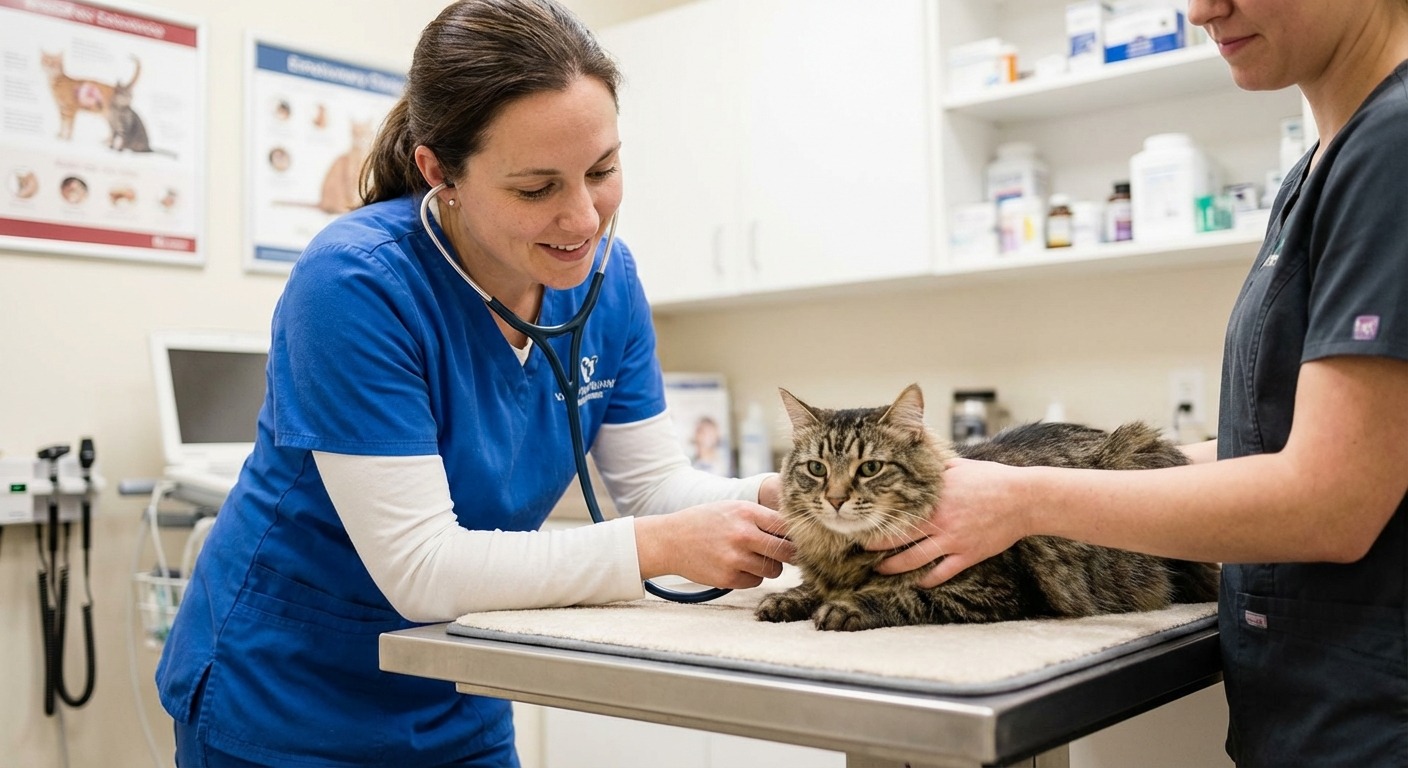
Knowing when pain requires urgent care versus a scheduled visit can save your cat's life.
Emergency — Seek Immediate Veterinary Care
Call your vet or emergency animal hospital right now if your cat shows:
- Not eating for 24+ hours — risk of hepatic lipidosis
- Difficulty breathing — open-mouth breathing, rapid breathing, or labored breaths
- Inability to urinate — especially in male cats (potential urinary blockage)
- Sudden hind leg paralysis — may indicate aortic thromboembolism, a serious cardiac emergency
- Screaming or crying out in pain — acute, severe pain
- Visible trauma — wounds, bleeding, broken bones, or being hit by a car
- Collapse or unresponsiveness — loss of consciousness or extreme lethargy
- Seizures — convulsions or involuntary muscle contractions
- Distended abdomen — painful, swollen belly
Non-Emergency — Schedule a Vet Visit Within 1–3 Days
Make an appointment soon if you notice:
- Mild limping that persists for more than 24 hours
- Gradual decrease in appetite over several days
- Subtle behavioral changes (hiding more, less playful)
- Mild changes in grooming habits
- Slight weight loss noticed over weeks
- Intermittent vocalization changes
Monitor at Home
Keep a close eye and note any changes for:
- A single episode of refusing a meal (but eating the next)
- Occasional reluctance to jump (could be a one-off)
- Minor temporary behavioral change that resolves within a day
When in doubt, call your vet. It's always better to make an unnecessary call than to miss a serious problem. Most veterinary clinics have triage nurses who can help you assess the urgency over the phone.
Good dental care also plays a role in preventing pain — dental disease is one of the leading causes of chronic pain in cats.
Cat Comfort and Pain Monitoring Products
While these products don't replace veterinary care, they can help keep your cat comfortable and make it easier to monitor their health:

K&H Pet Products Thermo-Kitty Heated Cat Bed
Best for: Cats with arthritis or joint pain
Key feature: Dual thermostat heater warms to cat's body temperature; orthopedic foam base
Price: $35–$55
Check on Amazon →
Pet Fit For Life Digital Pet Scale
Best for: Monitoring weight changes at home
Key feature: Accurate to 1g; hold function for squirmy cats; tracks weight history
Price: $25–$40
Check on Amazon →
Feliway Classic Calming Diffuser
Best for: Reducing stress and anxiety in cats recovering from pain
Key feature: Releases synthetic feline facial pheromones; covers up to 700 sq ft
Price: $20–$30
Check on Amazon →
PetSafe ScoopFree Self-Cleaning Litter Box
Best for: Monitoring litter box usage and changes in elimination habits
Key feature: Health counter tracks usage frequency; low-entry design for arthritic cats
Price: $130–$180
Check on Amazon →
Petcube Cam Indoor Pet Camera
Best for: Monitoring cat behavior and activity when you're away
Key feature: 1080p HD video; night vision; motion and sound alerts; 2-way audio
Price: $40–$55
Check on Amazon →
ZICOTO Sturdy Pet Stairs for Cats
Best for: Cats with joint pain who struggle to jump onto beds or couches
Key feature: Wide non-slip steps; lightweight foam construction; washable cover
Price: $25–$45
Check on Amazon →How Veterinarians Diagnose Pain in Cats
Understanding what happens at the vet can help you prepare — and advocate — for your cat.
The Pain Assessment Process
When you bring a pain concern to your vet, they'll typically follow this process:
1. History Taking Your vet will ask detailed questions about:
- When you first noticed changes
- Specific behaviors you've observed
- Your cat's eating, drinking, and elimination habits
- Any changes in environment or routine
- Medications or supplements your cat is taking
Tip: Before your appointment, record a video of the concerning behavior on your phone. Cats often mask pain at the vet due to stress and adrenaline, making it harder for the vet to observe what you're seeing at home.
2. Physical Examination The vet will perform a thorough exam including:
- Palpation (feeling) of the entire body for pain responses
- Joint flexion and extension to check for stiffness or pain
- Abdominal palpation for organ enlargement or tenderness
- Oral examination for dental disease
- Neurological assessment if indicated
3. The Glasgow Composite Measure Pain Scale (CMPS-Feline) Many veterinary clinics use this standardized pain scale, which evaluates:
- Facial expression — ear position, muzzle shape, whisker tension
- Posture — body position and tension
- Behavioral responses — response to interaction and stimulation
- Overall demeanor — activity level and attitude
Scores range from 0 (no pain) to 20 (severe pain), helping veterinarians make objective treatment decisions.
4. Diagnostic Testing Depending on findings, your vet may recommend:
- Blood work — CBC, chemistry panel to check organ function
- Urinalysis — especially if litter box changes are noted
- X-rays — to evaluate bones, joints, and organ size
- Ultrasound — for soft tissue and abdominal evaluation
- Advanced imaging — CT or MRI for complex cases
Common Causes of Pain in Cats
| Condition | Typical Signs | Age Group |
|---|---|---|
| Dental disease | Dropping food, drooling, facial swelling | All ages, more common 3+ |
| Arthritis/DJD | Reduced jumping, stiffness, hiding | Senior cats (7+) |
| Urinary issues (FLUTD) | Straining, frequent trips to litter box, crying | Young to middle-aged |
| Injuries/Trauma | Limping, guarding an area, sudden pain | All ages |
| Cancer | Weight loss, lethargy, appetite changes | Senior cats |
| Gastrointestinal | Vomiting, diarrhea, appetite loss, hunched posture | All ages |
| Ear infections | Head shaking, scratching at ears, head tilt | All ages |
What NOT to Do: Common Mistakes
Never Give Human Pain Medication
This cannot be stressed enough: human pain medications can kill cats.
- Acetaminophen (Tylenol) — even a single dose can cause fatal liver failure and destroy red blood cells in cats
- Ibuprofen (Advil, Motrin) — can cause kidney failure and stomach ulcers
- Aspirin — toxic at human doses; only safe at very specific doses prescribed by a vet
- Naproxen (Aleve) — extremely dangerous for cats
Cats lack certain liver enzymes that humans and even dogs have for metabolizing these drugs. What's safe for you — or even your dog — can be lethal for your cat.
Other Common Mistakes to Avoid
- Waiting too long — "Let's see if it gets better on its own" can allow a treatable condition to become serious
- Assuming purring means comfort — remember the purring paradox
- Forcing your cat to move or play — let a painful cat rest; forcing activity can worsen injury
- Ignoring subtle signs — "She's just getting old" often means "She's in pain and needs help"
- Diagnosing via the internet — online information (including this guide) supports but never replaces veterinary examination
- Using essential oils or herbal remedies — many are toxic to cats (tea tree oil, lavender oil, eucalyptus, and others)
FAQ
How do I know if my cat is in pain?
Look for behavioral changes such as hiding more than usual, decreased appetite, reluctance to jump or climb, excessive grooming of one area, changes in litter box habits, and unusual vocalizations. Cats are masters at hiding pain, so even subtle changes in routine or behavior can indicate discomfort. Use the pain assessment checklist above for a structured approach to evaluating your cat.
Do cats cry when they are in pain?
Cats rarely cry tears from pain, but they may vocalize differently. A cat in pain might yowl, hiss when touched, growl unexpectedly, or become unusually quiet. Some cats purr when in pain as a self-soothing mechanism, which can be misleading. The key is to notice changes from your cat's normal vocal patterns.
Can cats hide pain from their owners?
Yes — cats are evolutionarily wired to hide pain and vulnerability. In the wild, showing weakness makes them a target for predators. This instinct persists in domestic cats, which is why owners must learn to recognize subtle behavioral and body language cues rather than waiting for obvious signs of distress. Studies show the vast majority of cats with degenerative joint disease show no obvious pain signs to their owners.
When should I take my cat to the vet for pain?
Seek veterinary care immediately if your cat stops eating for more than 24 hours, has difficulty breathing, cannot urinate, shows sudden paralysis in hind legs, or cries out when touched. For subtler signs like reduced activity or slight behavior changes, schedule a vet visit within 1–3 days. When in doubt, always call your vet — they can help you triage over the phone.
What can I give my cat for pain at home?
Never give your cat human pain medications like ibuprofen, acetaminophen (Tylenol), or aspirin — these are toxic to cats and can be fatal. Only use pain relief prescribed by your veterinarian. At home, you can provide a warm quiet resting spot, a heated cat bed, minimize handling, ensure food and water are easily accessible, and provide low-entry litter boxes. See our recommended comfort products above.
How do vets assess pain in cats?
Veterinarians use standardized pain scales such as the Glasgow Composite Measure Pain Scale (CMPS-Feline) and the Feline Grimace Scale, which evaluate facial expressions, posture, behavior, and response to touch. They also perform thorough physical examinations, check vital signs, and may use diagnostic imaging like X-rays or ultrasound to identify the source of pain.
Sources
-
Evangelista, M.C. et al. (2019). "Facial expressions of pain in cats: the development and validation of a Feline Grimace Scale." Scientific Reports, 9(1), 19128. doi:10.1038/s41598-019-55693-8
-
Merola, I. & Mills, D.S. (2016). "Behavioural signs of pain in cats: An expert consensus." PLoS ONE, 11(2), e0150040. doi:10.1371/journal.pone.0150040
-
Lascelles, B.D.X. et al. (2010). "Evaluation of a digitally integrated accelerometer-based activity monitor for the measurement of activity in cats." Veterinary Anaesthesia and Analgesia, 37(5), 424-434.
-
Bennett, D. et al. (2012). "Osteoarthritis in cats: how common is it and how easy to recognise?" Journal of Feline Medicine and Surgery, 14(1), 65-75.
-
Gruen, M.E. et al. (2014). "Use of trazodone to facilitate postsurgical confinement in cats." Journal of the American Veterinary Medical Association, 245(3), 296-301.
-
International Society of Feline Medicine (ISFM). (2022). "ISFM Consensus Guidelines on the Management of Acute Pain in Cats." Journal of Feline Medicine and Surgery, 24(1), 4-30.
-
American Association of Feline Practitioners (AAFP). (2022). "Pain Management Guidelines for Cats." AAFP Clinical Guidelines.
Last updated: March 2026 Reviewed by: Dr. Sarah V., Veterinarian
Dr. Sarah V. is a licensed veterinarian with over 15 years of experience in feline medicine. She has practiced at small animal clinics and emergency hospitals across the United States, with a special focus on feline pain management and senior cat care. She is a member of the American Association of Feline Practitioners (AAFP) and the International Society of Feline Medicine (ISFM).