Cat Health
Senior Cat Care Guide: What Changes at 10+ (2026)
By Dr. Emma Clarke, Feline Veterinarian (BVetMed, MANZCVS) · Updated 2026-06-26
When a cat reaches 10 years of age, the changes are not merely cosmetic. Fur may grey around the muzzle, activity levels drop noticeably, and the veterinarian starts using phrases like "age-related" and "wellness screening." These shifts reflect genuine physiological changes — in kidney function, joint health, thyroid activity, and cognitive capacity — that every cat owner should understand. This guide covers everything that changes when your cat turns 10, and exactly what you can do to help your senior feline thrive.
Last updated: June 2026 — Reviewed by Dr. Emma Clarke, BVetMed, MANZCVS (Feline Medicine)
Table of Contents
- At What Age Is a Cat Considered Senior?
- The Veterinary Visit: What Changes After 10
- Common Senior Cat Health Conditions
- Nutrition for Senior Cats: Feeding the Aging Body
- Mobility and Joint Health
- Cognitive Health: Brain Changes in Aging Cats
- Dental Care for Senior Cats
- Environmental Adaptations for the Senior Home
- Weight Management in Senior Cats
- Monitoring and Warning Signs
- Frequently Asked Questions
- Sources & Methodology
- About the Author
At What Age Is a Cat Considered Senior?
Cats age differently from dogs and humans, and the "senior" classification depends on both chronological and biological factors. The American Association of Feline Practitioners (AAFP) classifies cats as senior starting at approximately 11 years of age. However, many veterinarians begin wellness screenings for "mature" cats at 7 to 10 years, since age-related changes often begin well before owners notice them.
A cat at 10 years old is roughly equivalent to a human in their mid-50s. By 15, they are comparable to a human in their mid-70s. By 20, they have reached the equivalent of a 96-year-old human — remarkable longevity that more cats are achieving thanks to improved nutrition and veterinary care.
The rate at which a cat ages depends on several factors:
- Breed: Siamese and Abyssinian cats tend to show age-related changes earlier, while Maine Coons and Ragdolls may age more slowly.
- Indoor vs outdoor: Indoor cats generally live significantly longer, averaging 12–18 years compared to 2–5 years for outdoor-access cats, according to the American Veterinary Medical Association (AVMA).
- Previous health history: Cats with a history of illness, dental disease, or obesity age faster biologically.
Understanding that your 10-year-old cat is entering a new life stage is the first step toward providing appropriate care. The changes ahead are manageable with the right knowledge and preparation.
The Veterinary Visit: What Changes After 10
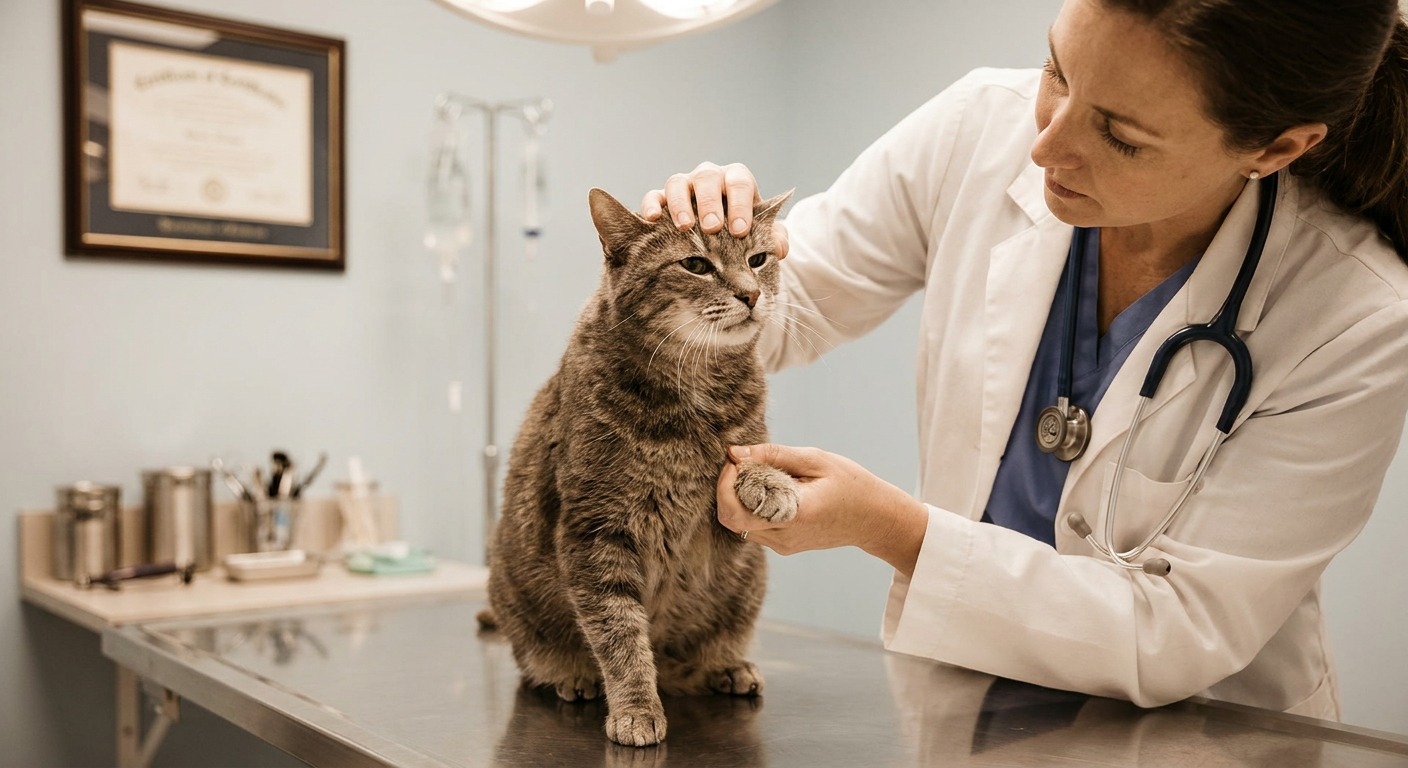
One of the most important adjustments when your cat turns 10 is the frequency and scope of veterinary care. What was once an annual check-up becomes a twice-yearly appointment, and the nature of those visits shifts considerably.
Wellness Screenings Become Essential
For adult cats, a vet visit might involve a physical examination and vaccinations. For senior cats, blood work and urinalysis become routine screening tools, not just diagnostic measures triggered by illness. The rationale is straightforward: cats are masters at hiding discomfort and illness. By the time a cat shows visible signs of kidney disease, hyperthyroidism, or diabetes, significant damage may already be done.
Standard senior cat wellness screenings typically include:
- Complete blood count (CBC) — checks for anaemia, infection, and blood cell abnormalities
- Blood chemistry panel — evaluates kidney function (BUN, creatinine), liver health, glucose levels, and thyroid function
- Urinalysis — assesses kidney concentrating ability, checks for urinary tract infections, and screens for protein loss
- Blood pressure measurement — hypertension becomes more common in senior cats and can cause rapid vision loss and organ damage
- Thyroid function test — especially important for cats over 8, as hyperthyroidism is extremely common
Questions to Ask at Your Senior Cat's Vet Visit
Prepare for each appointment with specific questions relevant to your cat's age and health status. Useful questions include:
- Do my cat's blood values show any early signs of kidney or liver disease?
- Is my cat's weight appropriate, or should we adjust feeding portions?
- Would a joint supplement be appropriate given my cat's mobility?
- Should we screen for hypertension this visit?
- Are there any dental concerns visible without anaesthesia?
Building a consistent relationship with a veterinarian who understands senior cat physiology makes a measurable difference in outcomes. Many feline-specific clinics now offer dedicated senior cat wellness programs that tailor screening schedules to individual risk profiles.
Common Senior Cat Health Conditions
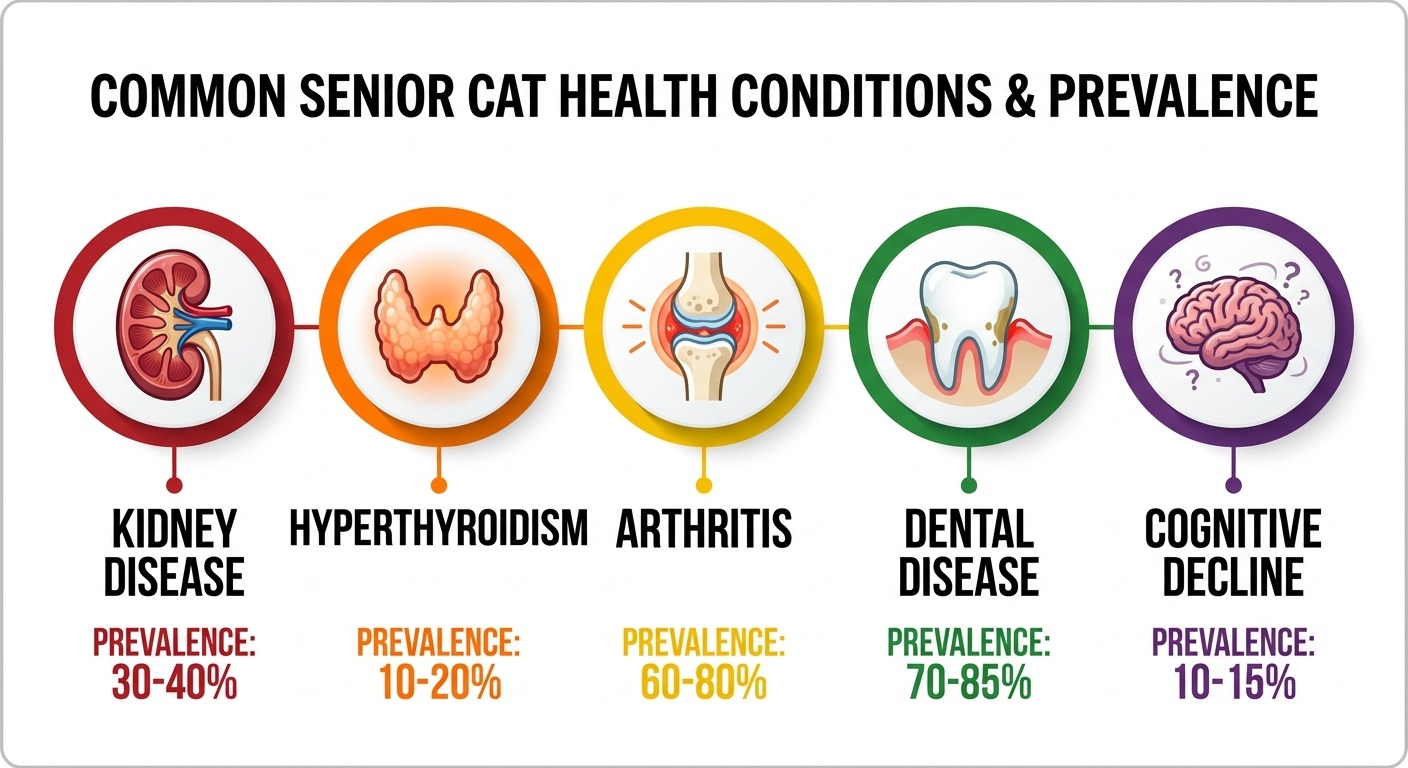
Understanding the most prevalent conditions affecting senior cats allows you to monitor your cat more effectively and advocate for appropriate screening. The following conditions represent the majority of age-related health issues seen in cats over 10.
Chronic Kidney Disease (CKD)
Chronic kidney disease is the most common disease of senior cats, affecting an estimated 30–50% of cats over 10 years of age according to the International Renal Interest Society (IRIS). CKD involves the gradual, irreversible loss of kidney function over months or years.
What happens biologically: The kidneys filter waste products from the blood. As they deteriorate, toxins accumulate, leading to increased thirst and urination, weight loss, poor appetite, and eventually systemic illness.
What you might notice: Drinking more water than usual, urinating larger volumes or outside the litter box, weight loss despite a normal appetite, and dull coat quality.
Management: While CKD cannot be cured, early detection through routine blood work allows for dietary management (prescription kidney diets low in phosphorus and moderate in protein), fluid therapy, and medications that slow progression and manage symptoms. The IRIS staging system provides a framework for classifying disease severity and guiding treatment.
Hyperthyroidism
Hyperthyroidism — overproduction of thyroid hormone — affects up to 10% of senior cats, making it one of the most common feline endocrine disorders. The condition causes a dramatically increased metabolic rate.
What happens biologically: A benign tumour in the thyroid gland causes excess thyroid hormone production, accelerating metabolism, heart rate, and organ stress.
What you might notice: Dramatic weight loss despite a ravenous appetite, increased vocalisation (especially at night), hyperactivity or restlessness, increased thirst and urination, unkempt or greasy coat, and occasional vomiting or diarrhoea.
Management: Treatment options include radioactive iodine therapy (considered the gold standard cure), medication (methimazole), surgical thyroidectomy, or dietary management with iodine-restricted food. Your veterinarian will recommend the most appropriate option based on your cat's overall health and the presence of other conditions.
Arthritis (Degenerative Joint Disease)
Arthritis affects an estimated 60–90% of cats over 12 years old according to published studies in the Journal of Feline Medicine and Surgery, though most cases go undiagnosed because cats hide pain so effectively. Unlike dogs, cats rarely limp. Instead, arthritis manifests as subtle behavioural changes.
What happens biologically: Cartilage within joints deteriorates, causing bone-on-bone contact, inflammation, and pain during movement.
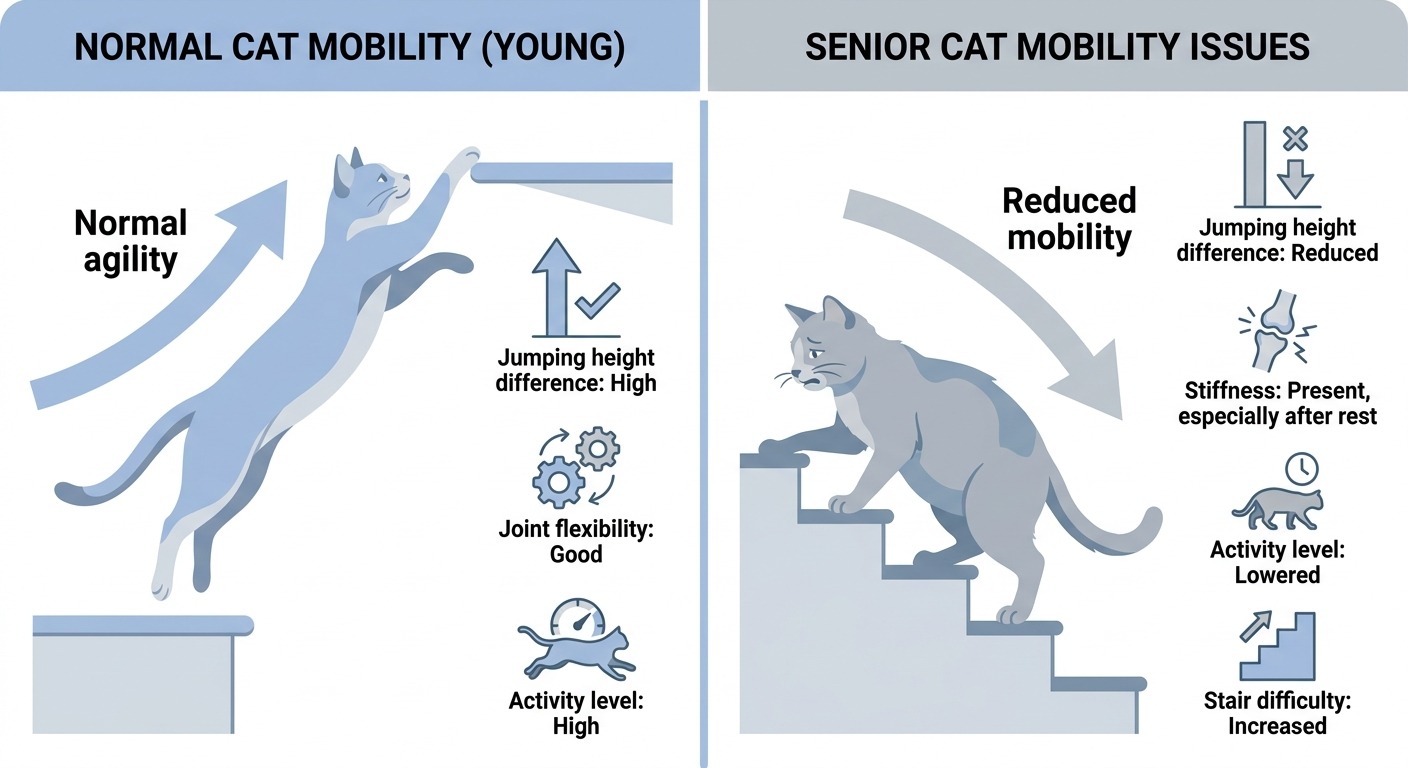
What you might notice: Reluctance to jump up or down from heights they previously managed easily, slower climbing, stiffness (especially after rest), reduced grooming (particularly of the lower back and hindquarters), increased sleep, and irritability when touched around the hips or spine. Many owners mistake these signs for normal old age.
Management: Weight management is critical — each excess kilogram places additional stress on compromised joints. Joint supplements containing glucosamine and chondroitin (Amazon US | Amazon AU) support cartilage health. Prescription anti-inflammatory medications and novel therapies like monoclonal antibody treatments (frunevetmab) offer additional options. Environmental modifications — discussed in detail below — reduce daily joint stress significantly.
Hypertension
Systemic hypertension (high blood pressure) becomes increasingly common in senior cats, often secondary to kidney disease or hyperthyroidism. The danger lies in its effect on the eyes, brain, heart, and kidneys.
What you might notice: Sudden onset of dilated pupils, bumping into furniture, apparent blindness, or disorientation. These occur because elevated blood pressure damages the retinas.
Management: Routine blood pressure measurement at every senior vet visit is the standard of care. Several effective antihypertensive medications are available. Early detection prevents irreversible vision loss.
Nutrition for Senior Cats: Feeding the Aging Body
Dietary needs shift significantly after age 10, but the changes are not always in the direction owners expect. Many owners assume senior cats need less protein, when in fact the opposite may be true — aging cats often need more highly digestible protein to maintain muscle mass, which tends to decline with age (a condition called sarcopenia).
What Senior Cat Food Should Provide
Look for commercial senior cat foods that address these specific needs:
- Higher digestibility: Aging digestive systems absorb nutrients less efficiently. Senior formulas use higher-quality, more bioavailable ingredients.
- Moderate protein: Not restricted protein (unless prescribed for kidney disease), but moderate levels of highly digestible protein to maintain lean body mass.
- Joint support: Added glucosamine, chondroitin, and omega-3 fatty acids (EPA and DHA) from fish oil support joint and cognitive health.
- Reduced calorie density: Many senior cats become less active and gain weight. Senior formulas are typically lower in calories to prevent obesity, which worsens arthritis and stresses the heart.
- Phosphorus control: For cats with early kidney changes, reduced phosphorus intake slows disease progression. This should be vet-prescribed, not self-selected.
- Enhanced palatability: Sense of smell and taste diminish with age. Senior formulas often have stronger aromas and flavours to encourage eating.
Wet vs Dry Food for Senior Cats
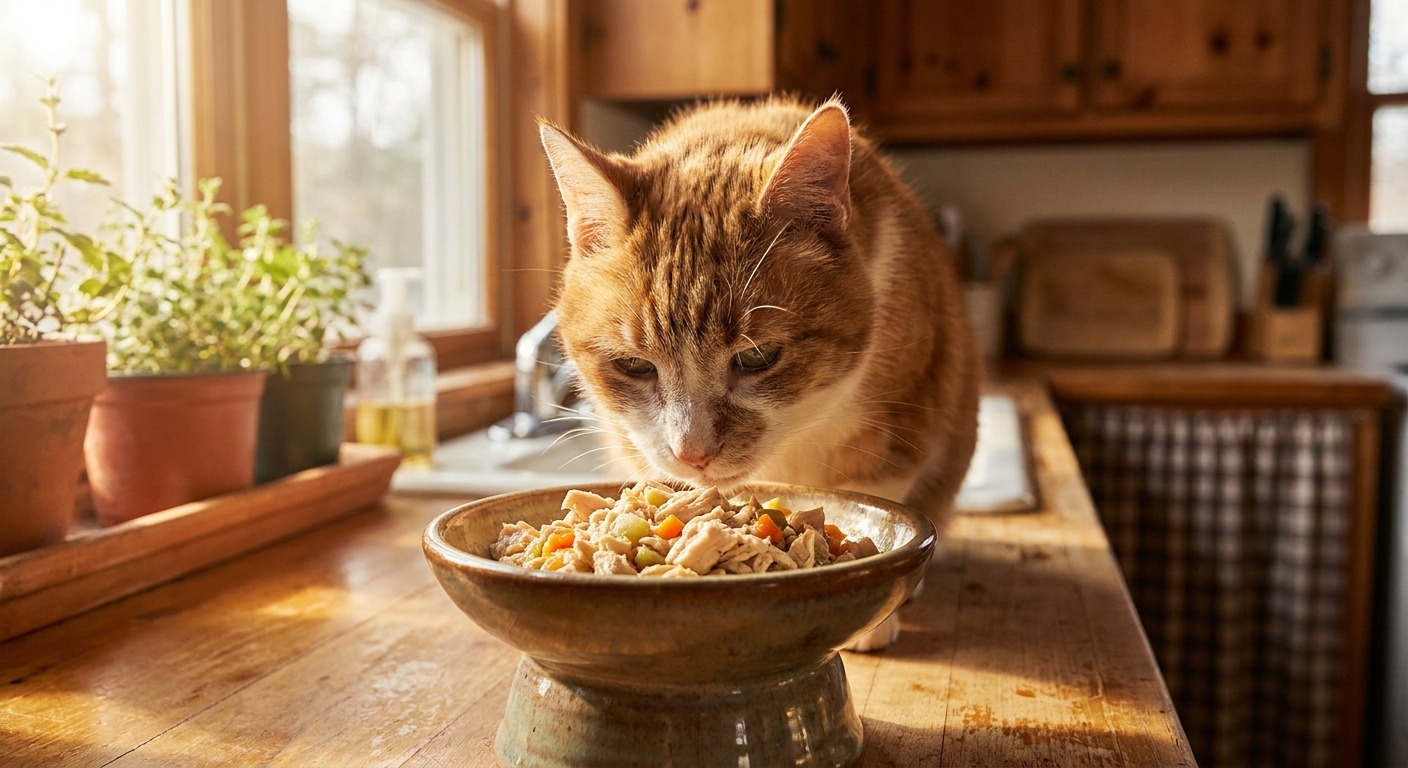
Both wet and dry food have advantages for senior cats. Wet food provides critical moisture — essential for cats with kidney disease or those who drink less than they should — and its softer texture is easier on aging teeth and gums. Dry food offers convenience and can be left out longer without spoiling.
For most senior cats, a combination approach works best: wet food as the primary meal (or meals) for hydration and palatability, with dry food available for snacking. Cats that have been exclusively dry-food eaters may need a gradual transition — mix increasing proportions of wet food over 2–3 weeks to avoid gastrointestinal upset.
Affiliate Disclosure: This article contains affiliate links to cat food and supplement products on Amazon. If you purchase through these links, we may earn a small commission at no extra cost to you. We only recommend products we believe in.
Mobility and Joint Health
Supporting your senior cat's mobility is one of the most impactful things you can do for their quality of life. Pain from arthritis is chronically undertreated in cats because the signs are subtle and easily attributed to "just getting older."
Recognising Mobility Changes
Watch for these early indicators of joint pain in your senior cat:
- Jumps to lower surfaces instead of favourite high spots (or stops jumping altogether)
- Descends from heights slowly, awkwardly, or refuses to come down
- Rises more slowly from a sleeping position
- Stretches less frequently and less fully
- Avoids being brushed or stroked along the back, hips, or tail
- Misses jumps and falls off edges more often
- Grooms the lower back and hind legs less effectively
Joint Supplements for Senior Cats
Several supplements have demonstrated benefit in cats, though quality and efficacy vary considerably between products:
- Glucosamine and chondroitin: The most commonly used combination for osteoarthritis in cats. Look for products specifically formulated for cats with appropriate dosing (Amazon US | Amazon AU). Avoid products designed for dogs, as cat dosages differ.
- Omega-3 fatty acids (EPA/DHA): Fish oil reduces inflammation in joints and may support cognitive health. Products specifically dosed for cats are preferable.
- Green-lipped mussel (Perna canaliculus): A natural source of glucosamine, chondroitin, and omega-3s with some evidence for efficacy in cats.
- Boswellia serrata: An anti-inflammatory herbal extract with emerging evidence for joint support in cats.
Always discuss supplements with your veterinarian before starting them, as some can interact with medications or are inappropriate for cats with specific conditions.
Cognitive Health: Brain Changes in Aging Cats
Like humans, cats can experience cognitive dysfunction syndrome (CDS) — a progressive decline in cognitive function associated with brain aging. Studies suggest CDS affects approximately 28–50% of cats between 11 and 21 years of age, though the true prevalence may be higher due to underreporting.
Signs of Cognitive Dysfunction in Senior Cats
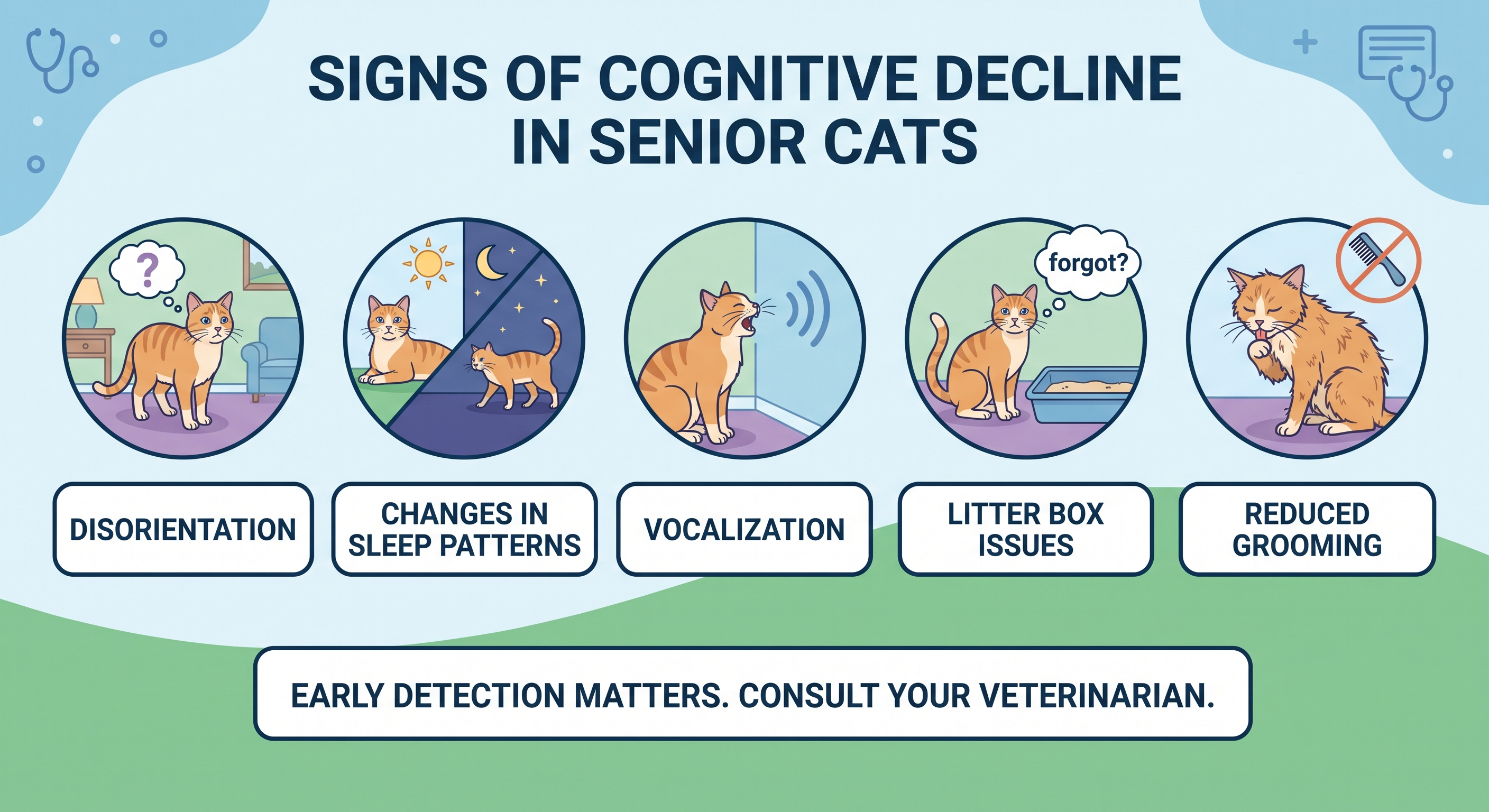
The five most common behavioural changes associated with CDS in cats are:
- Disorientation: Your cat seems lost in familiar surroundings, stares at walls or into corners, or has trouble locating their food bowl or litter box.
- Altered social interactions: Previously affectionate cats become withdrawn; independent cats become clingy and demanding. The pattern matters more than the specific change.
- Sleep-wake cycle disturbances: Restless at night, sleeping more during the day, or vocalising excessively — particularly in the early morning hours.
- House-soiling: Accidents outside the litter box despite years of reliable use, when medical causes (urinary tract infection, kidney disease) have been ruled out.
- Learning and memory changes: Difficulty responding to previously learned cues, or failure to remember familiar routines.
Supporting Cognitive Health
While CDS cannot be reversed, its progression can be slowed and quality of life maintained with several approaches:
- Environmental consistency: Maintain predictable feeding times, litter box locations, and daily routines. Cats with CDS cope better when their world is stable and easy to navigate.
- Mental stimulation: Food puzzle toys, novel interactive play sessions, and window perches with bird-watching opportunities keep the aging brain active.
- Dietary support: Foods enriched with antioxidants (vitamins E and C), omega-3 fatty acids, and alpha-lipoic acid are marketed for cognitive support in senior cats. The evidence for benefit varies, but these nutrients are safe.
- Veterinary treatment: Medications such as selegiline (Anipryl) and supplements like Senilife and Activeur have shown promise in clinical studies for managing CDS symptoms. Discuss options with your veterinarian.
Cross-network resource: For readers interested in how cognitive aging works in mammals more broadly, our friends at SciaticaSpot.com cover senior back pain causes and treatment — while focused on humans, the underlying neurological principles are relevant to understanding cognitive decline in senior pets.
Dental Care for Senior Cats
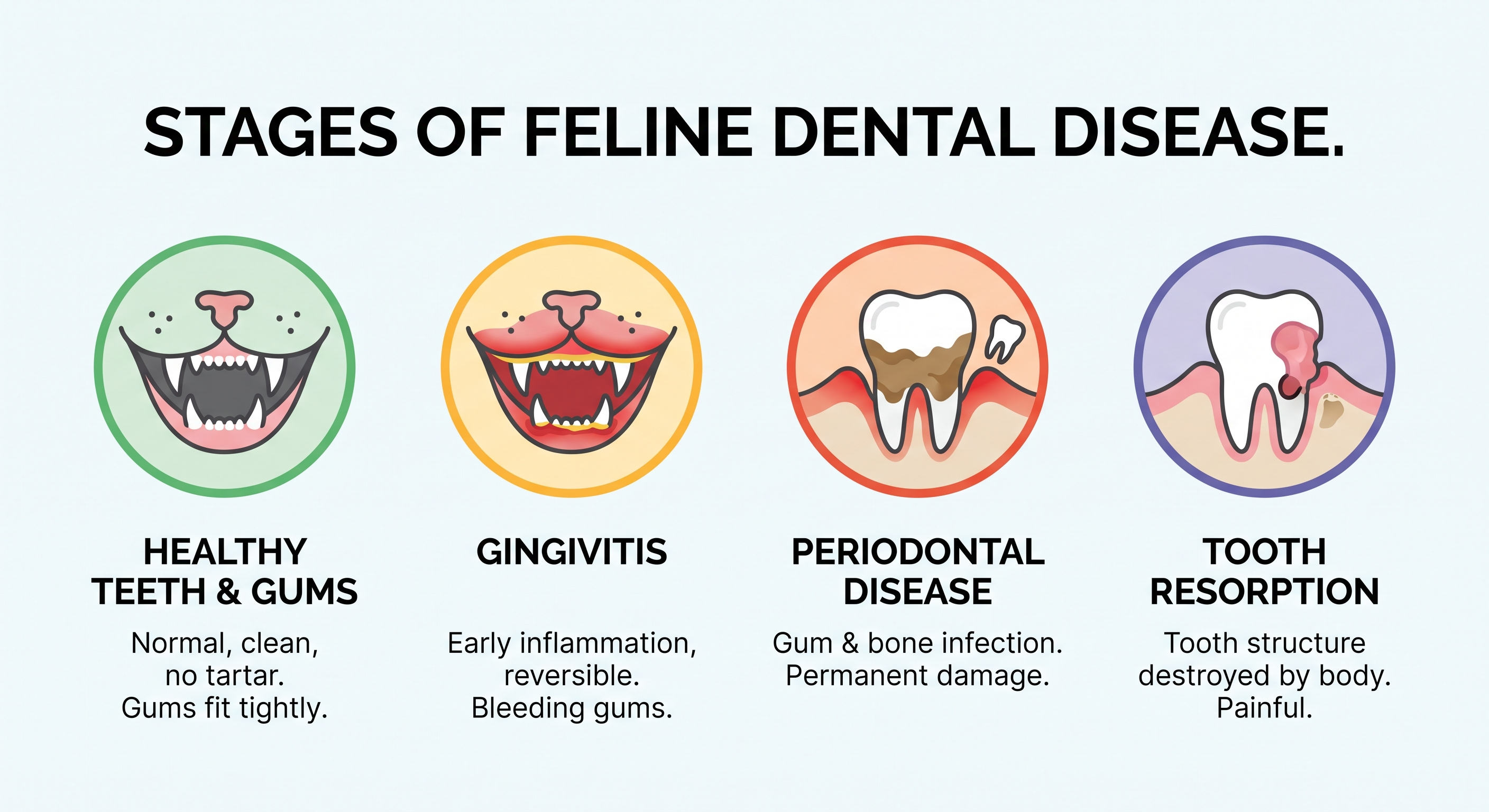
Dental disease is the most undertreated health condition in cats of all ages, and its prevalence only increases with age. By three years of age, the majority of cats already have some degree of periodontal disease. By 10, many senior cats have significant dental pathology requiring intervention.
Why Dental Disease Matters
Bacteria in the mouth don't stay in the mouth. Untreated dental disease allows pathogenic bacteria to enter the bloodstream, potentially damaging the heart valves (causing endocarditis), kidneys, and liver. This makes dental care not just about comfortable eating — it is a systemic health intervention.
Common dental conditions in senior cats include:
- Periodontal disease: Inflammation and infection of the structures supporting the teeth. Signs include red or bleeding gums, tartar accumulation, and bad breath.
- Tooth resorption: Painful lesions that eat away at tooth structure, eventually destroying the crown. Very common in senior cats and often requires surgical extraction.
- Stomatitis: Severe, painful inflammation of the entire oral mucosa, often requiring extensive treatment including full-mouth extractions in severe cases.
- Oral masses: Both benign and malignant oral tumours occur more frequently in older cats. Any new growth or persistent ulcer in the mouth warrants immediate veterinary attention.
At-Home Dental Care and Professional Cleanings
Daily tooth brushing with a cat-specific toothbrush and enzymatic toothpaste is the single most effective at-home dental measure. However, the reality is that many senior cats — especially those not conditioned to brushing earlier in life — will not accept this. Alternative approaches include:
- Dental health treats and chews: Products bearing the VOHC (Veterinary Oral Health Council) seal have demonstrated efficacy in reducing plaque and tartar. Look for this certification when selecting treats (Amazon US | Amazon AU).
- Water additives: Enzyme-based water additives reduce bacterial load in the mouth. These are an excellent option for cats who resist brushing.
- Prescription dental diets: Specially formulated kibble mechanically scrapes plaque from teeth while providing complete nutrition.
Professional dental cleanings under general anaesthesia become more necessary — and more risky in very elderly cats — as dental disease progresses. The benefit of cleaning must be weighed against anaesthetic risk in older cats, which is why maintaining dental health throughout your cat's life is so important.
Environmental Adaptations for the Senior Home
Making your home senior-cat-friendly is one of the most immediate, tangible ways to improve quality of life. These modifications cost very little and can make an enormous difference to a cat struggling with reduced mobility, vision, or hearing.
Accessibility Modifications
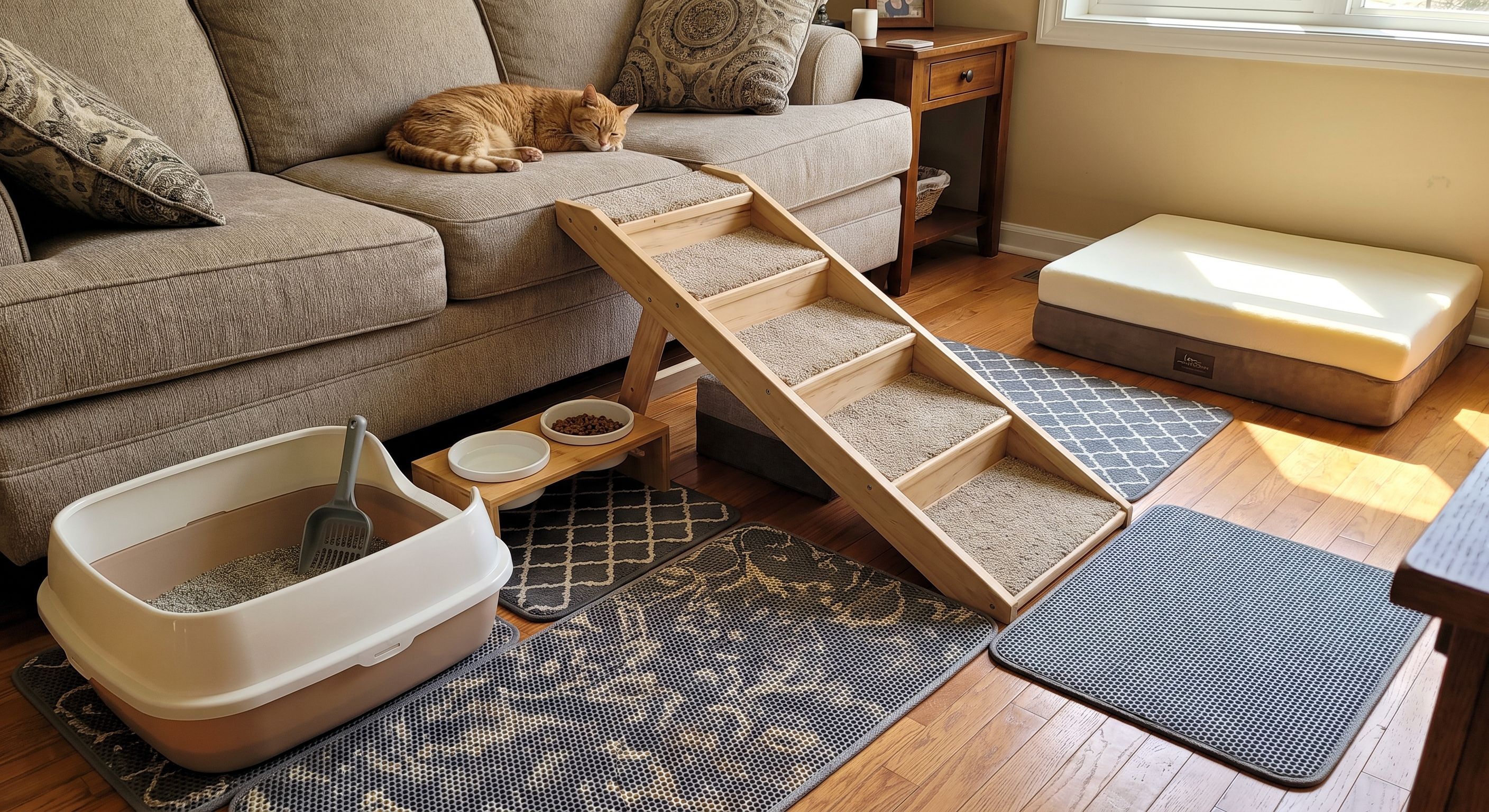
- Low-sided litter boxes: Standard litter box walls can be insurmountable for a cat with painful hips. Use boxes with one low entry point or convert a storage container into a low-entry litter box. Place it on a non-slip mat to prevent accidents from slipping.
- Ramped access: If your cat's favourite perch is a windowsill or sofa, add a stable ramp or set of steps to reach it. Many cats stop using their favourite spots not because they don't want to, but because jumping hurts.
- Orthopedic cat beds: An elderly cat sleeps 16+ hours per day. An orthopedic bed with memory foam supports aching joints and reduces pressure on elbows and hips. Place beds away from drafts and cold floors (Amazon US | Amazon AU).
- Non-slip surfaces: Hardwood and tile floors are treacherous for cats with poor joint coordination. Non-slip rugs, yoga mats along commonly travelled paths, and carpet runners provide secure footing.
- Raised food and water bowls: Placing bowls on a raised stand reduces neck strain. Some senior cats with arthritis find it painful to bend down to eat or drink.
Sensory Changes to Accommodate
Vision loss is common in senior cats due to cataracts, glaucoma, or retinal degeneration. A cat losing their vision needs minimal disruption to their environment — keep furniture in the same positions, don't rearrange rooms, and use nightlights to help them navigate after dark. Avoid startling a visually impaired cat by announcing your presence before approaching.
Hearing loss is similarly common. Cats compensate remarkably well with their other senses, but a deaf cat cannot hear an approaching car or a doorbell. Hand signals can replace verbal cues for communication. A vibrating collar (not electric shock) can alert a deaf cat to your presence.
Reduced sense of smell affects appetite. Warming wet food slightly in the microwave (to body temperature) releases aromatic compounds and often encourages eating in senior cats with diminished sniff sensitivity.
Weight Management in Senior Cats
Both obesity and unplanned weight loss in senior cats are cause for veterinary investigation. Each signals different underlying issues and requires different responses.
Obesity in Senior Cats
Many cats become less active as they age but continue to receive the same caloric intake, resulting in gradual weight gain. Obesity worsens every age-related condition: it loads painful joints, stresses the heart, increases diabetes risk, and makes respiratory disease more severe.
Management approach:
- Switch to a light or senior formula food with controlled calorie density
- Measure food portions precisely rather than free-feeding
- Increase play activity with gentle, short sessions (even 5 minutes of wand toy play several times daily burns calories and provides mental enrichment)
- Use puzzle feeders to slow eating and extend meal-related activity
Unexplained Weight Loss
Weight loss in a senior cat who is eating normally — or especially one with an increased appetite — is a red flag requiring veterinary investigation. It can indicate hyperthyroidism (the increased metabolism burns calories rapidly), diabetes, cancer, advanced kidney disease, or gastrointestinal disease.
The combination of weight loss with a voracious appetite is particularly characteristic of hyperthyroidism. Any senior cat showing this pattern should have thyroid function tested urgently.
Monitoring and Warning Signs
The cornerstone of senior cat care is proactive monitoring. You are the person most likely to notice subtle changes in your cat's behaviour, appetite, and mobility because you see them every day.
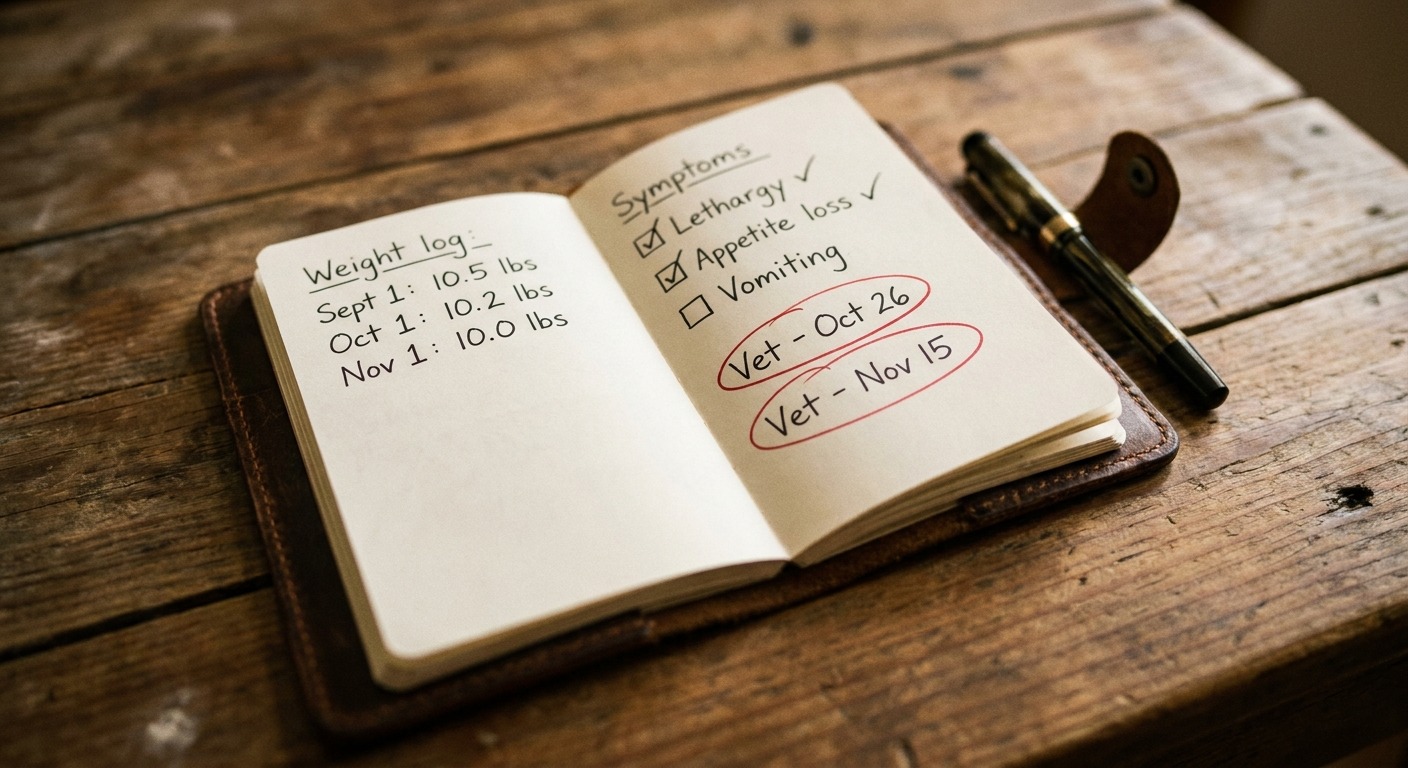
Keep a Senior Cat Health Journal
Maintaining a simple log — even just a monthly note — of the following observations creates a valuable record for your veterinarian:
- Current weight (if you have a home scale)
- Water intake (approximate number of refills per day)
- Appetite level (normal, reduced, or increased)
- Litter box habits (frequency, volume, accidents)
- Mobility observations (jumping, climbing, playfulness)
- Coat condition (glossy, dull, matted)
- Any new behaviours, vocalisations, or changes in routine
Emergency Warning Signs
Contact your veterinarian immediately if your senior cat shows any of the following:
- Sudden blindness or glazed eyes — could indicate acute glaucoma or hypertension
- Straining to urinate, especially in male cats — a life-threatening urinary obstruction emergency
- Not eating for 24 hours or more — can cause fatal liver lipidosis in cats
- Difficulty breathing, open-mouth breathing, or panting — always an emergency in cats
- Collapse, severe weakness, or collapse after jumping — could indicate heart disease
- Sudden, severe behavioural change — could indicate pain, hyperthyroidism, or neurological disease
Frequently Asked Questions
At what age is a cat considered senior?
Most veterinarians consider a cat senior at around 10 to 11 years of age, equivalent to a human in their mid-50s to early 60s. Some cats show senior traits earlier, particularly certain purebred breeds.
How often should senior cats see a vet?
Senior cats should visit the vet every 6 months, roughly doubling the frequency of adult cats. This allows for early detection of age-related conditions such as kidney disease, hyperthyroidism, and arthritis, which are far more treatable when caught early.
What are the most common health problems in senior cats?
The most common senior cat health issues include chronic kidney disease, hyperthyroidism, arthritis, dental disease, cognitive dysfunction, hypertension, and weight changes (either loss or gain). Regular vet screening is the best way to identify and manage these conditions.
Should I change my senior cat's diet?
Yes. Senior cats generally benefit from foods specifically formulated for older cats, which typically offer higher protein digestibility, added joint support (glucosamine and chondroitin), fewer calories to prevent obesity, and enhanced kidney support. Always consult your vet before switching diets, especially if your cat has an existing health condition.
How can I help my senior cat with mobility issues at home?
Simple environmental adjustments make a significant difference. Provide low-sided litter boxes, orthopedic cat beds, food and water bowls raised on a stand, ramp access to favourite perches, and non-slip mats on hard floors. Joint supplements containing glucosamine and chondroitin, prescribed by your vet, can also help maintain cartilage health.
What are signs of cognitive dysfunction in senior cats?
Cognitive dysfunction syndrome in cats parallels dementia in humans. Watch for: disorientation (getting stuck in corners or staring at walls), changes in social interaction (withdrawing or becoming clingy), altered sleep-wake cycles, house-soiling accidents despite previous good litter habits, and increased vocalisation, particularly at night.
How do I care for my senior cat's teeth and gums?
Dental disease affects the vast majority of cats over three years of age. Signs include bad breath, drooling, pawing at the mouth, and reluctance to eat hard food. Regular dental check-ups and professional cleanings under anaesthetic are essential. At home, dental treats and water additives approved by your vet can help slow plaque accumulation.
Sources & Methodology
This article was written by Dr. Emma Clarke, a licensed veterinarian specialising in feline medicine, and reviewed against current peer-reviewed literature and established veterinary guidelines. Primary sources and references include:
-
American Association of Feline Practitioners (AAFP). Feline Senior Care Guidelines. Journal of Feline Medicine and Surgery, 2009. Available at: https://journals.sagepub.com/doi/10.1016/j.jfms.2009.06.001
-
International Renal Interest Society (IRIS). IRIS Staging of CKD. http://www.iris-kidney.com — the definitive classification system for chronic kidney disease in cats and dogs, used worldwide by veterinarians.
-
American Veterinary Medical Association (AVMA). "Pet Health Statistics — Cats." 2024 update. https://www.avma.org — provides lifespan and mortality data for domestic cats.
-
Gowan, R.A. et al. "A retrospective analysis of the effects of ageing and disease on body weight in cats." Journal of Feline Medicine and Surgery, 2014. doi:10.1177/1098612X14520816
-
Sivula, N.J. & Goring, R.L. "Prevalence of osteoarthritis in cats: Feline degenerative joint disease." Veterinary Surgery, 2019. doi:10.1111/vsu.13126
-
Munday, J.S. et al. "Feline hyperthyroidism: pathophysiology, diagnosis, and treatment." Journal of Feline Medicine and Surgery, 2021.
-
Landsberg, G.M. et al. "Cognitive dysfunction in cats: A syndrome common in older cats." Veterinary Medicine: Research and Reports, 2017. doi:10.2147/VMRR.S134805
-
VOHC (Veterinary Oral Health Council). Approved Products List. http://www.vohc.org — the independent body that evaluates and certifies dental health products for pets.
-
Bellows, J. et al. "Evaluation of findings of tooth resorption in cats: A retrospective study." Journal of Veterinary Dentistry, 2016.
-
Sparkes, A.H. et al. "ISFM and AAFP consensus guidelines on the diagnosis and management of chronic kidney disease in cats." Journal of Feline Medicine and Surgery, 2022.
About the Author
Dr. Emma Clarke, BVetMed, MANZCVS (Feline Medicine) is a feline veterinary specialist with over 15 years of experience in feline medicine and surgery. She holds a Bachelor of Veterinary Medicine from the University of Melbourne and is a Member of the Australian and New Zealand College of Veterinary Scientists in Feline Medicine. Dr. Clarke has published research on chronic kidney disease management in cats and speaks regularly at veterinary conferences on senior feline care and welfare. She shares her home with two rescue cats — Basil (14 years) and Poppy (11 years) — both of whom are living proof that the right care can give senior cats an excellent quality of life well into their late teens.